-
DECISION-WISE | FRIDAY, NOVEMBER 4, 2016
Infographic: Why is Employee Retention So Difficult? - DecisionWise
Why is employee retention so difficult? Well, times have changed a bit. Gone are the days when companies held complete control knowing that their employees would stay their entire careers with the same organization. Gone are the days of employees enduring hardships and mistreatment from the all-powerful organization. The Age of the Employee. We have entered the age of the employee where talent rises to the top, and job opportunities and technology give employees control over their career path more than ever. Because they have options. So what else makes employee retention so difficult?
-
DECISION-WISE | THURSDAY, NOVEMBER 3, 2016
Take the State of Employee Engagement Survey - DecisionWise
Take the Second Annual State of Employee Engagement Survey! Start the Survey! It only takes 5 minutes! By researching the effectiveness of Employee Engagement programs in organizations around the world, DecisionWise hopes to provide valuable information to HR professionals on this important topic. Participants will receive a complete analysis of the results and have the opportunity to attend a webinar to learn specific insights and findings. We value your feedback, and entrust the results of our research to the quality of your responses. This survey is for research purposes only.
-
DECISION-WISE | WEDNESDAY, NOVEMBER 2, 2016
 5 Factors Changing the U.S. Job Market - DecisionWise
5 Factors Changing the U.S. Job Market. Why is employee retention so difficult? In the VIDEO: 5 Factors Changing the U.S. Job Market I talk about the monumental changes in the U.S. job market that are having a major impact on hiring and retaining employees. There are basically 5 factors at play in the US economy that are radically changing the job market and influencing how organizations are competing for top talent. Learn How to Attract, Retain, and Engage Top Talent. It’s a Job Seeker’s Market. As the U.S. economy improves there is a higher demand for workers than over the past 10 years.
-
DECISION-WISE | WEDNESDAY, NOVEMBER 2, 2016
 VIDEO: 5 Factors Changing the U.S. Job Market - DecisionWise
5 Factors Changing the U.S. Job Market. Why is employee retention so difficult? In the VIDEO: 5 Factors Changing the U.S. Job Market I talk about the monumental changes in the U.S. job market that are having a major impact on hiring and retaining employees. There are basically 5 factors at play in the US economy that are radically changing the job market and influencing how organizations are competing for top talent. It’s a Job Seeker’s Market. As the U.S. economy improves there is a higher demand for workers than over the past 10 years. According to the latest data from the U.S.
-
DECISION-WISE | WEDNESDAY, OCTOBER 26, 2016
How to Increase Connection with Culture and Trust - DecisionWise
Culture could be described as the social operating system of the organization, the underlying environment that shapes social interaction and shapes the emotions involved in the company and its work toward a specific end. Simply put, it’s “the way we do things around here.” The culture of Apple is based on beauty and creating incredible experiences, while the culture at Google is built around personal autonomy and solving the world’s problems. Employees connect around those cultural assumptions. If your organization were a person, how would you describe it? Conservative? Compassionate? Stuffy?
-
DECISION-WISE | TUESDAY, OCTOBER 18, 2016
How to Shape Your Employee Experience Using Data - DecisionWise
As humans, we are incredibly good at grouping things. We are also very good at seeing patterns. Indeed, pattern recognition has been shown to be a clear evolutionary advantage for our species. That said, our natural penchant for patterns can sometimes obscure what is really happening. If you spend any time with optical illusions, you’ll quickly see how our brains distort reality by using innate patterns, or “shortcuts.” Predictable patterns mean our brains have to work less, and nature loves to conserve energy. Read the book about The Employee Experience. Consider the following. Metric #1.
-
DECISION-WISE | WEDNESDAY, OCTOBER 5, 2016
 VIDEO: 5 Tips Towards Setting Actionable Goals - DecisionWise
5 Tips Towards Setting Actionable Goals. In the VIDEO: 5 Tips Towards Setting Actionable Goals, Dr. David Mason covers five points and five tips to create actionable goals to further your professional career. . Listen to the Leadership Intelligence Podcast for more valuable tips. The very first step, before anything else, towards setting actionable goals is to be incredibly clear about WHAT your goal actually is. The reason is that poorly made goals can be gamed. How about being a better listener? So I sit back, let someone talk and then say what I was going to say anyway. That’s great!
-
DECISION-WISE | WEDNESDAY, SEPTEMBER 14, 2016
EP014 – Leadership Intelligence Podcast – How Wells Fargo’s Employee Experience Hurt Their Customer Experience - DecisionWise
Listen as authors of the upcoming book, The Employee Experience: How to Attract Talent, Retain Top Performers, and Drive Results , Tracy Maylett Ed.D. and Matthew Wride, J.D. discuss principles from their new book. Listen to the authors talk about the Wells Fargo scandal and how bank employees created fake accounts to help them reach sales goals. Is it possible that a more aligned employee experience (EX) could have prevented the fiasco that Wells Fargo now faces? Ultimately the book and the authors teach that it’s the people of the organiziation that create the customer experience.
-
DECISION-WISE | WEDNESDAY, SEPTEMBER 14, 2016
 VIDEO: 6 Best Practices in Creating Employee Engagement Surveys - DecisionWise
6 Best Practices in Creating Employee Engagement Surveys. In the VIDEO: 6 Best Practices in Creating Employee Engagement Surveys I cover six ways to form questions in order to create survey that will obtain the best and most accurate responses possible. By creating a powerful employee engagement survey you will accurately measure your organizations levels of engagement like never before. . Join the WEBINAR: “Employee Engagement Survey Best Practices” and get HRCI or SHRM credit. Use a subset of anchor questions to measure overall engagement. But don’t go too far.
-
DECISION-WISE | WEDNESDAY, AUGUST 31, 2016
 VIDEO: 5 Employee Engagement Best Practices - DecisionWise
5 Employee Engagement Best Practices. In the VIDEO: 5 Employee Engagement Best Practices I share 5 employee engagement best practices from our 2016 State of Employee Engagement Report. To compile this report, we surveyed HR professionals from over 200 organizations around the world on what they were doing to address employee engagement. Join the WEBINAR: “Employee Engagement Survey Best Practices” and get HRCI or SHRM credit. Training managers on employee engagement, and training in general, were two similarities among companies with rising levels of engagement.
-
DECISION-WISE | WEDNESDAY, AUGUST 24, 2016
 VIDEO: Employee Satisfaction and Engagement. What’s the Difference? - DecisionWise
Employee Satisfaction vs. Employee Engagement. What are the differences between employee satisfaction and employee engagement ? Employee satisfaction is the extent to which the employment contract is fulfilled. Employees feel satisfied when basic hygiene factors are met. These factors include pay, benefits, job training, safety, and the tools and resources to do the job. Other things that drive satisfaction are perks such as free lunch, day care, or working from home. Download: Employee Engagement Survey. Satisfaction elements help to attract new employees and retain existing employees.
-
DECISION-WISE | MONDAY, AUGUST 22, 2016
The Five Keys of Employee Engagement—it’s “MAGIC!” - DecisionWise
It’s a simple concept: when we are able to throw our hearts, spirits, minds, and hands into the work we do, we produce better results. We are happier, healthier individuals, and more successful organizations. So, why are some organizations engaging, while others aren’t? Through our research of over 14 million employee survey responses across 70 countries, we found some surprising results. Bottom line? It’s… well… MAGIC ! It’s not foosball tables in the breakroom. It isn’t pet care, free haircuts, and free food. It’s not even lucrative employee stock programs. They’re M-A-G-I-C: Meaning. Growth.
-
DECISION-WISE | TUESDAY, AUGUST 16, 2016
 VIDEO: The Influence of Managers on Employee Engagement - DecisionWise
Download: Employee Engagement Survey. Let’s talk about our research on the Influence of Managers on Employee Engagement. We recently conducted the largest study of its kind to compare the level of employee engagement of managers to that of their direct reports. This study included data from 22 companies, almost 19,000 employees, and 2,300 managers. We first measured the overall level of engagement for each individual using a set of research-based anchor questions from their annual employee survey. Then we compared the level of engagement of managers to the employees they lead. .
-
DECISION-WISE | TUESDAY, AUGUST 9, 2016
 VIDEO: The Impact of 360-Degree Feedback Coaching - DecisionWise
Download 360-Degree Feedback Survey. Take a look at our research on the impact 360-degree feedback coaching. By coaching, I mean sitting down with someone to debrief their 360-degree feedback results and helping them to create an action plan. For the purpose of this study, we collected feedback from 244 leaders from a Fortune 500 company with locations around the world. These leaders had recently received 360-degree feedback and were provided coaching by internal HR professionals. Register for 360-Degree Feedback Coaching Training.
-
DECISION-WISE | TUESDAY, AUGUST 2, 2016
Employee Engagement Doesn’t Equal Happiness - DecisionWise
Employee engagement doesn’t equal happiness and here’s why. Taken from the book, MAGIC: Five Keys to Unlock the Power of Employee Engagement. Happiness isn’t the same as engagement. It’s an outcome of engagement. When you’re engaged at your workplace, you feel better about your life. You feel appreciated, recognized, and connected to the people with whom you spend the lion’s share of your day. Share Image on LinkedIn. Thanks to the growing field of positive psychology, it’s become trendy to study what makes us happy. Download Employee Engagement Survey.
-
DECISION-WISE | WEDNESDAY, JULY 20, 2016
How Engaged Are You at Work? - DecisionWise
How engaged are you at work? Do you knock on your boss’s door, complain that you’re not feeling engaged at work, and demand that he does something about it? Of course not. The process begins with you, not your employer. . An organization can provide air hockey tables in the break room or casual Fridays, but even the greatest of perks can’t magically convert unhappy employees into happy ones. YOU are the best predictor of your own engagement. Have you ever heard the phrase, “Wherever you go, there you are?” Remember, you are the only constant that you take with you from situation to situation.
-
DECISION-WISE | FRIDAY, JULY 15, 2016
What is the Employee Experience? - DecisionWise
Pokemon Go is the rage right now. knew nothing about it, and so I slinked around the internet trying to figure out why my neighbors were walking around the parking lot like dazed zombies with their noses glued to their phones. then played it cool and acted like I was up to speed the entire time by throwing around terms like “gyms” and making sure my co-workers knew that the plural of Pokemon was still Pokemon. . To explain, let me first begin with what the Employee Experience (EX) is not. EX is not what we call the “Employee Life Cycle” (ELC). Many think that EX = ELC. That was anti-climactic!
-
DECISION-WISE | WEDNESDAY, JULY 13, 2016
What is Employee Engagement? - DecisionWise
What is employee engagement? Taken from book, MAGIC: Five Keys to Unlock the Power of Employee Engagement : “Employee Engagement is an emotional state where we feel passionate, energetic, and committed toward our work. In turn, we fully invest our best selves––our hearts, spirits, minds, and hands––in the work we do.” ” Share Image on LinkedIn. The heart is about meaning, passion, fulfillment, even finding joy in what you do. Spirit is about attitude, energy, and excitement. It’s something that can be felt when you walk into a room or work with a highly engaged team.
-
DECISION-WISE | TUESDAY, JULY 12, 2016
Stop Blaming Millennials for Unrealistic Employee Expectations - DecisionWise
Here’s a situation that may feel like déjà vu to some. You have just concluded a difficult conversation with Tim, one of your software developers; while Tim works hard, he is certainly not your best developer. Yet, he just left your office wondering why he has not been given a raise in the last four months. The irony? Tim has only been with your organization for five. You slowly exhale, wondering how in the world you ended up with that set of unrealistic expectations. Download the Employee Value Proposition Survey and Report. Well, check your privilege at the door. He’s right.
-
DECISION-WISE | WEDNESDAY, JULY 6, 2016
How Many Comment Questions Should Your Employee Survey Have? - DecisionWise
When we begin working with an organization to conduct an employee engagement survey , we often see a burning eagerness to ask open-ended questions about every single variable in the organization. After all, open-ended questions provide color and nuance to qualitative data—right? Though collecting more qualitative data is a noble desire, there are good reasons to use no more than two open-ended questions. Download Employee Engagement Survey Sample. In my last blog, I advocated all the reasons why open-ended questions are so valuable. appeared first on DecisionWise.
-
DECISION-WISE | WEDNESDAY, JULY 6, 2016
Understanding the Employee Engagement Survey Provider Landscape: A Guide to the 6 Vendor Types - DecisionWise
As employee engagement has become one of the top concerns for executives around the world, many companies have developed new and innovative solutions to measure employee engagement. This has created a challenge for organizations as they try to decide on a method and survey provider that best matches their unique needs. Here we have identified the six vendor types from do-it-yourself software tools to full-service consulting firms with a variety of choices in between. Download: Sample Employee Engagement Survey. Employee Engagement Survey Provider Types. Employee Engagement
-
DECISION-WISE | TUESDAY, JUNE 28, 2016
 Understanding the Employee Engagement Survey Provider Landscape: A Guide to the 6 Vendor Types -
As employee engagement has become one of the top concerns for executives around the world, many companies have developed new and innovative solutions to measure employee engagement. This has created a challenge for organizations as they try to decide on a method and survey provider that best matches their unique needs. Here we have identified the six vendor types from do-it-yourself software tools to full-service consulting firms with a variety of choices in between. Employee Engagement Survey Provider Types. Survey Platforms: At the far left of the spectrum are survey software tools.
-
DECISION-WISE | FRIDAY, JUNE 10, 2016
 INFOGRAPHIC: The ROI of Employee Engagement -
Do Employee Engagement Initiatives Really Work? What’s the payoff? We asked human resources executives and managers in over 200 organizations around the world about the return on investment from employee engagement initiatives and impact that employee engagement has on the organization. Download PDF Infographic – The ROI of Employee Engagement. When asked: How would you describe the impact of employee engagement on your organization overall? The overall response was, “POSITIVE.” ” Some open-ended comments were: “Huge impact!”
-
DECISION-WISE | MONDAY, JUNE 6, 2016
 10 Best Practices to Improve Employee Survey Participation Rates -
A company with locations all over the US finally decided to run an employee survey. The company’s noble hope was to measure levels of employee engagement to better understand the causes of rising attrition rates. After an inspiring meeting with the VP of HR (let’s call her Susan), the HR team put its entire weight behind the survey project. The HR team was excited about this new opportunity to leverage employee feedback. Download employee engagement survey. In the coming weeks, Susan led her project team to design and implement the survey internally. Communicate expectations to managers.
-
DECISION-WISE | WEDNESDAY, JUNE 1, 2016
 INFOGRAPHIC: MAGIC – Five Keys to Unlock the Power of Employee Engagement -
What is Employee Engagement? Employee engagement is an emotional state where employees feel passionate, energetic, and committed to their work. This translates into employees who give their hearts, spirits, minds, and hands to deliver a high level of performance to the organization. Read what Employee Engagement is NOT). Download Employee Engagement Survey. When we first look to join an organization, we may be enticed by some salary promises, the company brand, or cool perks. Important? Of course. Engagement goes beyond satisfaction. Employee Engagement is collaborative.
-
DECISION-WISE | TUESDAY, MAY 31, 2016
 Four Steps to Compare Your Business Results to Employee Engagement -
Organizations struggle to quantify the impact engaged employees have on business results. Intuitively, it’s a no-brainer– engaged employees cost less and produce more. It’s that simple. Many studies and reports support that hunch: engaged companies have stronger levels of profitability, and retain their employees. Download Employee Engagement Survey Sample. So, why do most organizations have difficulty quantifying that impact? Much of it is because of the process. Results are presented to the executive team. HR team scrambles to find data and metrics to make comparisons. Dangerous.
-
DECISION-WISE | WEDNESDAY, MAY 25, 2016
 12 Tips to Turn Employee Engagement Survey Results into Increased Organization Performance -
The key to increasing employee engagement is to accurately measure it and use the results to make changes that impact organization performance. We’ve created a list of 12 recommendations to turn employee engagement survey results into increased performance based on our experience working with hundreds of organizations over the years. Download Your Employee Engagement Survey Sample. Remember that employee feedback is extremely valuable. Not only are you investing money to administer the process, but employees put a lot of thought, effort, and time into their responses.
-
DECISION-WISE | TUESDAY, MAY 24, 2016
 Managing Your 4 Key Talent Groups -
Do you have formal methods for identifying the talent that exists throughout your organization? If so, does the management team have a common language to describe different talent pools? Leaders Need Feedback. Download 360-degree Feedback Survey Sample. Successful organizations are effective at identifying their talent and taking the appropriate actions to utilize and develop their people. There are many ways to quantify the human capital in a company. Some like to use the familiar labels of “A, B, and C Players.” Top Performers. Strong and Steady Performers. Low Performers.
-
DECISION-WISE | WEDNESDAY, MAY 18, 2016
 When Engagement Replaces Satisfaction -
Over the years I have had the opportunity to work with volunteers who do work in developing countries. These volunteers—typically university students—dedicate up to three months each summer in leaving their comfortable, US-based surroundings to work in locations where poverty is the norm. Their work may include bringing water to a small mountain village, working to prevent river blindness, teaching single mothers about nutrition, building latrines, or any number of other welfare and educational projects. Download the 2016 State of Employee Engagement Report. Let’s put this in perspective.
-
DECISION-WISE | TUESDAY, MAY 17, 2016
 What Employee Engagement Is Not -
Many definitions are thrown around today to describe employee engagement. Some of these definitions include references or similarities to other common organizational behavior terms, to the point where “engagement” has become a catchphrase that includes all the positive feelings and qualities that we want in employees. If it’s a positive behavior, we lump it into the “engagement” category. However, this creates a good deal of confusion as many try to define engagement for their particular organization. So, let’s take a different approach. Employee Engagement is not Happiness.
-
DECISION-WISE | WEDNESDAY, MAY 11, 2016
 Forget the Millennials, It’s All About the Freelancers -
There is an old saying among real estate developers, “You don’t build the church for Easter!” In other words, when designing seating capacity, the incremental cost required to accommodate outlying scenarios is not worth the investment. For decades, conventional wisdom has held that this same principle is true as managers design their organization’s workforce. You can’t accommodate every demand, right? Management does its best to meet a majority of its employees’ needs and stops there. We are accustomed to having the ability to manipulate and define a long list of preferences and settings.
-
DECISION-WISE | FRIDAY, MAY 6, 2016
 EP013 – Leadership Intelligence Podcast – The Value Of Your Employee Value Proposition (EVP) -
DecisionWise Principal Consultant, Kristin Chapman, provides best-practice advice on how to develop your organization’s employee value proposition. Employee Value Proposition (EVP) is the value an employee receives from the organization in exchanged for his or her work. It includes all of the tangible (i.e. compensation, benefits, work schedule) and intangible benefits (i.e friends at work, safety, respect). Every organization has an EVP whether they have formally defined it or not and the EVP is different for various groups of employees. Download Sample EVP Survey and Report.
-
DECISION-WISE | TUESDAY, MAY 3, 2016
 Are Your Employees Engaged? Look in the Mirror. -
Are your employees engaged? Look in the mirror. No matter what it says on your business card, you’re an employee and you have responsibility to be an engaged employee. But you may also be a manager, and as a manager you have some responsibility for the engagement of others as well. If your employees are engaged in the work they do, results will show. The same goes for a team that is disengaged. Managers are accountable for the outcomes of the organization in which they work. They aren’t hired simply to make sure employees feel good and are happy. They are expected to deliver results. Right?
-
DECISION-WISE | TUESDAY, APRIL 26, 2016
EP012 – Leadership Intelligence Podcast – Transitioning Into Management Part 3 -
This episode is part 3 of the Transition into Management series. In this episode Matthew Wride discusses 6 communication strategies to effective leadership. Learn these specific communication strategies to better build peer networks and create a smooth transition into leadership. Listen to Part 1 – Episode 007 – Transition Into Management. Listen to Part 2 – Episode 010 – Transition Into Management. Download the 360-Degree Feedback Survey Sample. Listen to more podcast episodes. .
-
DECISION-WISE | WEDNESDAY, APRIL 20, 2016
EP011 – Leadership Intelligence Podcast – Conflict Management Styles and Strategies -
Learn about conflict management styles and strategies from Dr. Marcy Fetzer as she provides insight into how to approach conflict and the five modes of handling conflict. Download the 360-Degree Feedback Survey Sample. Listen to more podcast episodes. . The post EP011 – Leadership Intelligence Podcast – Conflict Management Styles and Strategies appeared first on DecisionWise. leadership development Organization Development Podcast conflict conflict management marcy fetzer
-
DECISION-WISE | TUESDAY, APRIL 19, 2016
 How to Manage Poor Attitudes and Negativity in the Workplace (INFOGRAPHIC) -
Negativity in the workplace has a stronger influence on an organization than positivity, so it is crucial to manage it quickly and effectively. In this infographic, learn the effects of negative attitudes in the workplace and how to better manage negative attitudes in your personal environment, or within the team you manage. Infographic by Quill. Do you like Infographics? Here are a couple more for your enjoyment: INFOGRAPHIC: 8 Employee Engagement Mythbusters. INFOGRAPHIC: Employee Engagement vs. Satisfaction. What’s the Difference? INFOGRAPHIC: 5 Personal Employee Engagement Wins.
-
DECISION-WISE | WEDNESDAY, APRIL 13, 2016
EP010 – Leadership Intelligence Podcast – Transition Into Management Part 2 -
This episode covers how to build a peer network within your organization and is part 2 of the “Transition Into Management” series. This podcast episode covers the importance of building an effective network of peers within your organization and the 7 Steps to Build Your Professional Peer Network to take you from super doer to super manager. Listen to Part 1 – Episode 007 – Transition Into Management. Download the Relationship Network Diagram. The post EP010 – Leadership Intelligence Podcast – Transition Into Management Part 2 appeared first on DecisionWise.
-
DECISION-WISE | WEDNESDAY, APRIL 13, 2016
 7 Steps to Build Your Professional Peer Network -
This blog is a companion piece to one of our Leadership Intelligence Podcasts, which is part of a series on making the transition into management. In the podcast episode , we describe the need to create a peer network. This blog highlights some of the key points touched upon in the podcast. I was a shy, awkward child who was forced to take a girl to the senior prom because it would be “good for my growth and development,” at least that’s what my parents told me. In fact, it took me quite a while to see the importance of building professional networks. Make a list of these folks. Be considerate.
-
DECISION-WISE | MONDAY, APRIL 4, 2016
EP009 – Leadership Intelligence Podcast – Recognizing Leadership Derailers -
The “Recognizing Leadership Derailers” episode covers leadership derailer, 13 common leadership derailers, and the toxic combinations that we have seen when you mix them together. Download 360-Degree Feedback Survey Sample. What is a derailer? Derailers are behavior CHALLENGES that undermine our results. • A derailer is a behavior that gets in the way of optimal results. • A derailer is not just a weakness. We all have many weaknesses that we may not need to develop to succeed. derailer is a weakness that requires improvement if we are to realize our potential.
-
DECISION-WISE | MONDAY, APRIL 4, 2016
 What is a Leadership Derailer? -
At DecisionWise, we measure leadership derailers on our 360-degree feedback surveys using a separate section from the normal leadership competencies. Without a derailers section, you are probably missing important pieces of your 360-degree feedback puzzle. Here are some common examples that show how derailers provide some important insight into 360 feedback results: Standard 360 Result : High Score on Results Orientation. Derailer Insight : High Scores on Micromanagement. Standard 360 Result : Low scores on Teamwork and Collaboration. Derailer Insight : High score on Closed-minded.
-
DECISION-WISE | WEDNESDAY, MARCH 30, 2016
 5 Personal Benefits of Employee Engagement -
In the past, as we conducted workshops on employee engagement , we found that we needed to show the organization the benefits of an engaged workforce. Increased profitability, improved quality, reduced turnover, and many other benefits were an important part of our presentations. Download employee engagement survey. Over the past several years, however, it’s apparent that the message—employee engagement increases organization performance—has sunk in. Organizations are now coming to us with their own stories of how improved engagement has impacted their bottom line. What’s in it for me? SHRM).
-
DECISION-WISE | TUESDAY, MARCH 29, 2016
EP008 – Leadership Intelligence Podcast – Employee Engagement Survey Action Planning -
After the employee engagement survey results come in, you have all of this information. What do you do with it? The temptation is to try to tackle everything. So it’s important when doing an engagement survey, that you have a plan for what to do with the information. Download Employee Engagement Survey. When action is not taken—or when plans are disjointed and not cohesive, a company runs the risk of showing no improvement, and in some cases engagement dropping from one year to the next. Employee Engagement Podcast 008 action planning dave long employee engagement episode 008 podcast
-
DECISION-WISE | THURSDAY, MARCH 24, 2016
EP007 – Leadership Intelligence Podcast – Transition Into Management Part 1 -
The transition into management can sometimes be difficult for new leaders. In EP007 Leadership Intelligence Podcast – Transition Into Management Part 1, DecisionWise COO and author, Matthew Wride, talks about what it takes to make the management transition successful. Learn about the five Ps of transitioning into management, motivations for moving into management, 10 myths about taking a management role, and how to navigate the “unfreezing” and “jelling” stages during the process. Download 360-degree feedback sample survey to help new leaders. Listen to more podcast episodes.
-
DECISION-WISE | MONDAY, MARCH 21, 2016
 10 Key Trends from Deloitte’s Global Human Capital Trends Report (2016) -
I have taken the time to summarize this year’s (2016) Global Human Capital Trends report that was published by Deloitte. Deloitte’s report lists 10 key trends in human capital, and I am presenting them in their order of importance. encourage everyone to read Deloitte’s report in depth. The report is invaluable, and, as a Deloitte alumnus, I applaud Deloitte for making this report available to the public at no cost. 1. Organizational Design: The Rise of Teams. found this trend to be interesting since it was not on the list for 2015. Leadership Awakened: Generations, Teams, Science.
-
DECISION-WISE | WEDNESDAY, MARCH 16, 2016
EP006 Leadership Intelligence Podcast – The Trust Factor in Leadership -
In EP006 Leadership Intelligence Podcast – The Trust Factor in Leadership Trust we discuss what is often overlooked as a leadership competency because we take it for granted. We assume we can trust other people until that trust is compromised or broken– then everything is suspect. During this podcast we will discuss the specific components of trust, research on trust and effective leadership, and how to build trust to be a better leader. Join Brad Taylor, VP of consulting services at DecisionWise, as he shares his experiences and examples of building trust.
-
DECISION-WISE | MONDAY, MARCH 14, 2016
EP005 Leadership Intelligence Podcast – Understanding The 3 Employee/Employer Contracts
DecisionWise CEO and author, Tracy Maylett discusses his upcoming book, The Contract: How Misalignment Destroys Companies, Cultures, & Relationships. He also talks about the three types of contracts employees experience when working for an organization including answers to the following: 1. What are the three types of contracts? 2. What are transactional components of The Contract and how do they work? 3. What are brand components of The Contract and how do they work? 4. What are psychological components of The Contract and how do they work? 5. What are the three types of contracts? 2.
-
DECISION-WISE | MONDAY, MARCH 14, 2016
EP002 Leadership Intelligence Podcast Managing Expectation Gaps & Creating Expectation Symmetry
The Expectation Gap is the space between what an organization claims it will do for the employee and what the employee expects will happen. The less clear the communication channels, the more likely that gap will be filled with static, garbled messages, and broken promises. The result: resentment and disengagement. Expectation Symmetry gauges how closely the expectations an organization creates for its employees match what the employees expect to happen. The greater the symmetry, the higher the level of trust. The result: resentment and disengagement.
-
DECISION-WISE | FRIDAY, MARCH 11, 2016
 Leadership Intelligence Podcast – Episode 005 – Understanding the 3 Employee/Employer Contracts
Podcast 005 – Understanding the 3 Employee/Employer Contracts. Guest presenter: Tracy Maylett, Ed.D., M.B.A. DecisionWise CEO and author, Tracy Maylett discusses his upcoming book, The Contract: How Misalignment Destroys Companies, Cultures, & Relationships. He also talks about the three types of contracts employees experience when working for an organization including answers to the following: 1. What are the three types of contracts? 2. What are transactional components of The Contract and how do they work? 3. What are brand components of The Contract and how do they work? 4.
-
DECISION-WISE | MONDAY, MARCH 7, 2016
 Leadership Intelligence Podcast – Episode 004 – 11 Ways 360-Degree Feedback Can Fall Short
Podcast 004 – 11 Ways 360-Degree Feedback Can Fall Short. Guest presenter: Matthew Wride, J.D., P.H.R. Matthew Wride discusses 11 things to watch out for when looking to do 360-degree feedback surveys. He talks about how no process is perfect, and the 360-degree process can have some serious shortcomings when not handled effectively. Multi-rater feedback (or 360-degree feedback) can be a powerful tool in your employee development arsenal. If not properly implemented, it can also have some serious drawbacks. See Podcast Episode List.
-
DECISION-WISE | MONDAY, MARCH 7, 2016
 Stop Wasting Your Money on Employee Satisfaction
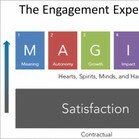
I have often been guilty of using the phrase, “There’s no such thing as a happy non-performer” when discussing the idea that basic human nature is to be disappointed when performing poorly. In all honesty, it was, at times, my way of justifying (to myself and others) letting an employee go or reprimanding for poor performance. In addition to the performance component, I was telling myself that the employee couldn’t have been happy because he was an underperformer—my way of justifying the psychological component. still believe the above—for the most part. Perhaps we’ve been there.
-
DECISION-WISE | WEDNESDAY, MARCH 2, 2016
004 Leadership Intelligence Podcast Matt Wride 11 Ways 360s Fall Short
Matthew Wride discusses 11 things to watch out for when looking to do 360-degree feedback surveys. He talks about how no process is perfect, and the 360-degree process can have some serious shortcomings when not handled effectively. Multi-rater feedback (or 360-degree feedback) can be a powerful tool in your employee development arsenal. If not properly implemented, it can also have some serious drawbacks. However, when those shortcomings are studied and managed, the benefits and results of a 360-degree feedback program are heightened and improved.
-
DECISION-WISE | WEDNESDAY, MARCH 2, 2016
 Leadership Coaching: What type? Who gets it? Who does it?
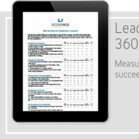
Coaching is becoming one of the most effective and important activities for developing leaders in organizations. In fact, a recent poll conducted by ASTD found that 47 percent of all respondents ranked coaching and feedback as most critical to their organization’s success in the next three years. Many organizations recognize the need and value of providing coaching to leaders as part of a leadership development process. Research shows that people that have used a coach indicate that it is the single most valuable leadership development activity they have experienced. Who gets coaching? .
-
DECISION-WISE | TUESDAY, MARCH 1, 2016
EP004 Leadership Intelligence Podcast Matt Wride 11 Ways 360s Fall Short
Matthew Wride discusses 11 things to watch out for when looking to do 360-degree feedback surveys. He talks about how no process is perfect, and the 360-degree process can have some serious shortcomings when not handled effectively. Multi-rater feedback (or 360-degree feedback) can be a powerful tool in your employee development arsenal. If not properly implemented, it can also have some serious drawbacks. However, when those shortcomings are studied and managed, the benefits and results of a 360-degree feedback program are heightened and improved.
-
DECISION-WISE | THURSDAY, FEBRUARY 25, 2016
Leadership Intelligence Podcast – Episode 003 – How to Give Feedback
Podcast 003 – How to Give Feedback. Guest presenter: Darrell Harmon, M.O.B. Listen as Organizational Change Consultant, Darrell Harmon talks about how to give feedback face to face. You will hear tips and structures on giving constructive feedback. Learn feedback tips and advice on peer-to-peer, subordinate-to-manager, manager-to-employee and personal situations. See Podcast Episode List. The post Leadership Intelligence Podcast – Episode 003 – How to Give Feedback appeared first on DecisionWise.
-
DECISION-WISE | WEDNESDAY, FEBRUARY 24, 2016
EP003 Leadership Intelligence Podcast – How To Give Feedback -
Listen as Organizational Change Consultant, Darrell Harmon talks about how to give feedback face to face. You will hear tips and structures on giving constructive feedback. Learn feedback tips and advice on peer-to-peer, subordinate-to-manager, manager-to-employee and personal situations. Download your 360-degree feedback survey right here. The post EP003 Leadership Intelligence Podcast – How To Give Feedback appeared first on DecisionWise. Listen as Organizational Change Consultant, Darrell Harmon talks about how to give feedback face to face.
-
DECISION-WISE | WEDNESDAY, FEBRUARY 24, 2016
EP003 Leadership Intelligence Podcast – Darrell Harmon – How To Give Feedback
Listen as Organizational Change Consultant, Darrell Harmon talks about how to give feedback face to face. You will hear tips and structures on giving constructive feedback. Learn feedback tips and advice on peer-to-peer, subordinate-to-manager, manager-to-employee and personal situations. The post EP003 Leadership Intelligence Podcast – Darrell Harmon – How To Give Feedback appeared first on DecisionWise. Listen as Organizational Change Consultant, Darrell Harmon talks about how to give feedback face to face. You will hear tips and structures on giving constructive feedback.
-
DECISION-WISE | WEDNESDAY, FEBRUARY 24, 2016
EP003 Leadership Intelligence Podcast Darryl Harmon How To Give Feedback
Listen as Organizational Change Consultant, Darrell Harmon talks about how to give feedback face to face. You will hear tips and structures on giving constructive feedback. Learn feedback tips and advice on peer-to-peer, subordinate-to-manager, manager-to-employee and personal situations. The post EP003 Leadership Intelligence Podcast Darryl Harmon How To Give Feedback appeared first on DecisionWise. Listen as Organizational Change Consultant, Darrell Harmon talks about how to give feedback face to face. You will hear tips and structures on giving constructive feedback.
-
DECISION-WISE | MONDAY, FEBRUARY 22, 2016
 11 Ways 360-degree Feedback Can Fall Short
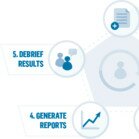
At DecisionWise, we are strong advocates of a well-designed 360-degree feedback program. So, you might find it strange for me to be writing on the hazards associated with 360-degree feedback. No process is perfect, and the 360-degree process can have some serious shortcomings when not handled effectively. Multi-rater feedback (or 360-degree feedback) can be a powerful tool in your employee development arsenal. If not properly implemented, it can also have some serious drawbacks. from a 360-degree perspective). Most people providing feedback in a 360-degree process (i.e., Probably not.
-
DECISION-WISE | MONDAY, FEBRUARY 22, 2016
 12 Shortcomings of 360-degree Feedback You Need to Know
At DecisionWise we are strong advocates of a well-designed 360-degree feedback survey program. So, you might find it strange for me to be writing on the hazards associated with 360-degree feedback. No process is perfect, and the 360-degree feedback process has its shortcomings. However, when those shortcomings are studied and managed, the benefits and results of a 360-degree feedback program are heightened and improved. To recap, a 360-degree feedback solution solicits feedback and evaluative information from a variety of sources that surround the focal person (i.e.,
-
DECISION-WISE | FRIDAY, FEBRUARY 19, 2016
 Why You Should Use Open-ended Questions on Employee Surveys
Some organizations avoid using free-response questions on employee surveys simply because they want to keep the survey short or they don’t think they can analyze all of the comments—let me be the first to tell you that having comments on your survey can be a real benefit to your survey results. Open-ended survey questions really bring to life the attitudes and opinions of respondents and provides a wealth of new information. Open-ended questions inform leaders of immediate team needs and quick wins. Acting on quick wins is perhaps the best way to promote trust in the survey process.
-
DECISION-WISE | THURSDAY, FEBRUARY 18, 2016
Leadership Intelligence Podcast – Episode 002 – Managing Expectation Gaps and Creating Expectation Symmetry
Podcast 002 – Managing Expectation Gaps and Creating Expectation Symmetry. Guest presenter: Matthew Wride, J.D., P.H.R. The Expectation Gap is the space between what an organization claims it will do for the employee and what the employee expects will happen. The less clear the communication channels, the more likely that gap will be filled with static, garbled messages, and broken promises. The result: resentment and disengagement. Expectation Symmetry gauges how closely the expectations an organization creates for its employees match what the employees expect to happen. Podcast
-
DECISION-WISE | TUESDAY, FEBRUARY 16, 2016
 Can You Trust Your Employee Survey Results?
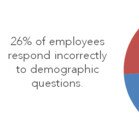
What if I told you that 26 percent of your employees either blatantly lie or inadvertently misidentify demographic questions on employee surveys ? If you’re like most managers we work with, you’ll immediately distrust the survey process and its reported data—and that’s completely fair. The fact is, when employees are asked demographic questions (e.g., department, manager, tenure, job class, age, or gender), 26 percent of them respond incorrectly. How do we know? Bad demographic data kills action planning. Whoops. The solution? Design a survey that codes demographic data behind the scenes.
-
DECISION-WISE | THURSDAY, FEBRUARY 11, 2016
Leadership Intelligence Podcast Episode 001- MAGIC: Five Keys for Managers to Unlock the Power of Employee Engagement
Podcast 001 – MAGIC: Five Keys for Managers to Unlock the Power of Employee Engagement” Guest presenter: Dr. David Mason. Listen as Dr. David Mason discusses the five essential MAGIC keys that managers need to cultivate lasting employee engagement with their teams. These keys are taken from the book, MAGIC: Five Keys to Unlock the Power of Employee Engagement. . See Podcast Episode List. The post Leadership Intelligence Podcast Episode 001- MAGIC: Five Keys for Managers to Unlock the Power of Employee Engagement appeared first on DecisionWise.
-
DECISION-WISE | THURSDAY, FEBRUARY 11, 2016
 Why 360 Feedback?
 Without feedback, we tend to invent our own reality. Using 360-degree feedback is a vital part of performance, growth, and development. Understanding ourselves and how we interact with others helps us understand the impact we have on those around us. The perceptions of others within our circle of influence, whether those perceptions are accurate or inaccurate, often impact our level of success. This is where 360 feedback comes in. The first step in improving individual or organizational performance is gaining an awareness of our level of performance. Targeted Development.
-
DECISION-WISE | TUESDAY, FEBRUARY 2, 2016
 Why STEM Education Could Be Bad for Your Business
Early in 2006, US President George W. Bush announced the American Competitiveness Initiative. Formulated as a plan to provide US government financial support to specific academic initiatives, the plan called for significant increases in investment in fields related to STEM—Science, Technology, Engineering, and Mathematics. President Obama announced over $240 Million in additional STEM funding during the White House Science fair; the whitehouse.gov website site claims that the President’s initiatives have garnered over $700 million in public-private partnerships along STEM lines. Back to STEM.
-
DECISION-WISE | WEDNESDAY, JANUARY 27, 2016
 Motivate me. I dare you.
In coaching individuals, one of the questions I often choose to begin a dialogue on leadership is, “What is your primary responsibility as a leader of this organization?” The responses vary greatly and, although some would claim that their response to this question is THE answer, I’ve found a number of replies that I might agree with. One common response is, “I am responsible for motivating my team.” The real question then becomes: How do you manage in such a way as not to de-motivate people? ”. Entertaining, somewhat sad, but not motivating. This is not motivation. The post Motivate me.
-
DECISION-WISE | WEDNESDAY, JANUARY 20, 2016
 Avoid Mayhem: Don’t Let Your Employee Engagement Survey Turn Out Like Your Last DIY Home Improvement Project
5 Criteria You Must Meet Before Running Your Own Employee Engagement Survey. Most leaders understand that employee engagement surveys are an important tool in helping to attract, retain, and motivate an organization’s workforce. For those that are new to the process, the threshold question is whether to go it alone and use a software platform to conduct the survey or might a managed-service scenario be a better alternative. There are pros and cons to both options. Like many, I enjoyed watching the recently completed NCAA Football playoffs – but not just the games – the ads as well.
-
DECISION-WISE | TUESDAY, JANUARY 19, 2016
 4 Ways Great Leaders Can Overcome Company Scarcity Issues
I teach an introductory political science class at a local university. This class utilizes an interdisciplinary approach by exploring basic economic theory, American history, and a bit of political philosophy. When introducing the section on economics, I try to reinforce the premise that economics is really the study of scarcity – what do you do when there is not enough to go around. Stated differently, economics is the social science that examines how we use limited resources to satisfy unlimited human wants. Everyone is clamoring for more. There may be a need for more talent. Of course not!
-
DECISION-WISE | TUESDAY, JANUARY 12, 2016
 Star Wars, Expectations, and Leadership
You know you have a problem when you start seeing leadership issues in everyday things, such as the new Star Wars Movie, Episode VII, The Force Awakens. guess that’s our lot in life. Our current research efforts here at DecisionWise are focused on the best way to define expectations in the workplace. We call it “The Contract,” which is the explicit and implicit contract (the psychological contract) that exists between an organization and its workforce. So, what does this have to do with the new Star Wars movie? At first the film received near universal praise and acclaim. Of course not.
-
DECISION-WISE | WEDNESDAY, JANUARY 6, 2016
INFOGRAPHIC: 8 Employee Engagement Mythbusters
With more organizations becoming aware of the importance of engagement , the media coverage of the topic has become widespread and more scholarly. This, This, however, can be a double-edged sword. In a September 3, 2011, opinion piece in the New York Times titled “Do Happy People Work Harder?” Harvard Harvard professor Teresa Amabile and researcher Steven Kramer shared some of the results from a project in which they collected more than twelve thousand diary entries from 238 employees at seven companies. Amabile and Kramer write: Managers can help ensure that people are happily engaged at work. Doing
-
DECISION-WISE | MONDAY, JANUARY 4, 2016
 Do Your Employees Grow or Go?
Lack of opportunity for personal growth or career development is the number-one reason that employees leave a company. So what’s it like in your organization? Do your employees grow or go? According to a survey by Glassdoor and Harris Interactive, more applicants—52 percent—wanted to hear about growth opportunities when interviewing for a job than about any other perk. The same survey also found that one-third of employees left a job because of—wait for it— lack of career growth —than for any other reason. Only 8 percent left because of their managers. People work on autopilot. Of course.
-
DECISION-WISE | TUESDAY, DECEMBER 8, 2015
 Where Do You Fit On the Engagement Resistance Curve?
Employee engagement begins with the individual employee. If the organization, corporation, not-for-profit, university, sports team, what-have-you—is the entire organism, then each employee is like a single cell. Change may appear on the scale of an entire organism, but change begins at the level of the single cell. Let’s look at the process of growing a more deeply engaged organization by looking at the role that you, the employee—play in your own engagement. At this point, your position and title are irrelevant. Even if you are the policymaker, engagement doesn’t just happen. Of course not.





Let's personalize your content