-
THE PEOPLE EQUATION | SUNDAY, OCTOBER 30, 2016
 Zen of Jen – Living in the Moment
What’s the secret to remaining spry, healthy and happy at the age of 93 years old? Wait, Wait. Don’t Tell Me host Peter Sagal asked this of screenwriter and TV producer Norman Lear on this segment of NPR’s weekly radio news game show. His response was succinct. And brilliant. Lear says it boils down to two simple words: “Over” and “Next”. When something is over, it is over…and then we are on to next,” said the mind behind ground-breaking television show such as, All in the Family. live in the moment.”. Positively sublime. Tell me: How do you relax into the “hammock of the now?”.
-
THE PEOPLE EQUATION | MONDAY, OCTOBER 24, 2016
 Manners in the Workplace are a Competitive Advantage
In 2005, university professor and communications expert Dr. Beverly Langford published The Etiquette Edge: The Unspoken Rules to Business Success , to positive reviews. Fast-forward a decade, and Langford has once again stepped into the spotlight with a second edition of her book, The Etiquette Edge: Modern Manners for Business Success. In this age where manners in business seem nearly extinct, I was curious to know why someone would invest the energy to publish a second edition on the topic. What follows is a lightly edited version of an email interview conducted with Dr. Langford last week.
-
THE PEOPLE EQUATION | MONDAY, OCTOBER 17, 2016
 Why Silence at Work is a Good Thing—For Introverts and Extroverts Alike
I am the offspring of two very different personality types: a gregarious extrovert and a studious introvert. My youth was shaped by my mother’s extroverted style. She had a positive, upbeat energy and effortless charm in social situations. From her, I learned how to thrive outside the safety of my home. But in my heart of hearts, I was a solitary girl who preferred long silent walks in the woods of southwest Michigan. Many a Saturday afternoon was whiled away, reading in my bedroom. The quiet suited me. One of the central themes of Cain’s book is that introverts need quiet to recharge.
-
THE PEOPLE EQUATION | WEDNESDAY, OCTOBER 12, 2016
 10 Simple Phrases that Cast Sunlight
Last week I wrote about how we are naturally drawn towards positive people because they inspire us. In nature, that’s called the “heliotropic effect,” which describes how plants grow or move towards sunlight. This week, I penned a similar piece, but this time from a leadership angle. I bet you can easily think of managers to whom you were instantly drawn because they had a “magnetic” personality. Sadly, I bet you’ve got a list of “repellent” bosses as well. Being a “sunny” leader doesn’t necessarily mean you have to act in a bright, shiny way. Offer up what you say, or something said to you.
-
THE PEOPLE EQUATION | MONDAY, OCTOBER 10, 2016
 In Support of Amy Cuddy and Power Posing
Wonder Woman kicks butt. She’s strong, principled, and makes people tell the truth with her golden lasso. When I was a kid, I watched the Linda Carter version on TV. She’s my favorite heroine, as evidenced by the many WW items adorning my home. When Harvard professor Amy Cuddy made news with her 2012 “power posing” TED Talk , I could relate. The posture she exhorts audiences to adopt—legs in a wide stance, hands on hips, evokes a Wonder Woman vibe. The premise of her talk: that powerful body language can help a person feel more confident and competent. So is it all bunk? Yes,” she replied.
-
THE PEOPLE EQUATION | MONDAY, OCTOBER 3, 2016
 Finding Your Sunshine At Work
Every summer, I plant a small veggie garden in my Michigan backyard. Even though the location is too shady for some of the sun-loving plants, it’s the only place that works in our yard, so we (and by “we”, I mean both the plants and I) make do. This summer I experimented with the placement of several plants to see if they would thrive in the shadier part of the garden. Surprisingly, all of the vegetable plants did well. One thing I did notice, though, was that my basil plants had an unusual “leaning” thing going on. At first, I attributed it to them being planted askew. And that’s ok.
-
THE PEOPLE EQUATION | THURSDAY, SEPTEMBER 29, 2016
 Are Unspoken Issues Creating Mischief on Your Team?
When the results of Google’s research on team effectiveness (called “Project Aristotle”) were revealed earlier this year, the conclusion was surprising: the best teams have just one thing in common. Factors such as clear goal-setting and team member dependability are certainly important, but they’re not what definitively sets great teams apart from their average counterparts. Google, a company for whom data analysis is a high art, was able to parse out the single most important determinant in their teams’ effectiveness: the ability to speak up without fear of retribution.
-
THE PEOPLE EQUATION | TUESDAY, SEPTEMBER 6, 2016
 Why Leaders Need to Understand the Difference between Influence and Manipulation
If you enact a leadership role, you have some measure of influence. And you also likely don’t see yourself as a manipulator. Do you know where influence stops and manipulation begins? Read on to learn what two prominent authors who’ve conducted extensive research on leadership and change management have to say about this important distinction. It could vastly change how you operate at work. Or at home. Or really, anywhere you want to make a positive difference in the world. Longtime readers of The People Equation know that I’m a huge fan of the book Influencer: The New Science of Leading.
-
THE PEOPLE EQUATION | TUESDAY, AUGUST 23, 2016
 @Progressive Offers HR and Management Tips for Small Business Owners
What if Progressive Insurance’s Flo was your HR lady? Or your boss? This was fun to contemplate as I wrote a series of blog posts for Progressive’s newly revamped commercial insurance site. In addition to offering a variety of insurance programs for small businesses (who knew there was a specific type of dump truck insurance?) the site offers a series of informational articles for small business owners. I was tapped to write articles about human resources, company culture and employee engagement. Here are four proven ways to inspire employee loyalty. Bonus: the only cost is a bit of your time.
-
THE PEOPLE EQUATION | TUESDAY, AUGUST 9, 2016
 Help Your Team Be More Productive with these 4 Tips
If you asked your team members what saps their productivity, what would they say? They’d probably mention unnecessary meetings, interruptions or poor communications, right? What if — shockingly — you were listed as one of the reasons that your team couldn’t get their work done? Wait a minute, you say, I’m not a micromanager; I give them space. And I’m here to help them prioritize if needed. Even though you might not directly interfere with your team members’ daily actions, you may still contribute to their lack of productivity. Get input. Try it yourself. Stick to it. Pair it up.
-
THE PEOPLE EQUATION | MONDAY, JULY 25, 2016
 Giving Praise as a Way to Increase Your Happiness
Are you a praise giver or taker? How you respond may offer a clue into your level of happiness at work. Happiness researcher Shawn Achor has made a name for himself studying the many facets of happiness. His research has uncovered a startling connection between praise and happiness: the more praise you give , the happier you feel. That’s right: as nice as it feels to receive a compliment, your happiness gets an even bigger boost when you praise others. Moreover, these “praise givers” were also more likely to be promoted. Click here for ideas on how to graciously accept a compliment. ].
-
THE PEOPLE EQUATION | MONDAY, JULY 18, 2016
 Are You Over-Functioning in Your Leadership Role?
Most people want to work for a caring boss. Not only is it more enjoyable, it’s good for your health , according to research by Stanford professor Jeffrey Pfeffer. Compassion is certainly a hallmark of leadership effectiveness. But can a leader care too much? Shelley Row, a professional engineer and former transportation executive believes that caring for one’s employees, while admirable, does have its drawbacks. It can stunt your team members’ professional and personal growth. Moreover, misplaced concern and worry can overload leaders. That’s where your responsibility ends.
-
THE PEOPLE EQUATION | TUESDAY, JULY 12, 2016
 Scavenger Hunts as an Easy and Cost-Effective Way to Build Teamwork
Business professionals enjoying a team-building scavenger hunt. This post is brought to you by Strayboots , a company that provides customized mobile-enhanced scavenger hunts for corporate team-building events. See below for full disclosure. When you were a kid, did you ever participate in a scavenger hunt at a birthday party? There’s nothing like the thrill of the hunt, trying to find obscure items and be the first team back to “home base” to show your spoils. Scavenger hunts are fun, no matter what your age. Or, you can ask them to physically go out into the world and seek out information.
-
THE PEOPLE EQUATION | MONDAY, JULY 11, 2016
 When Persistence is Just Plain Stupid
When my kids were babies, it was fascinating to watch them learn to walk. One of my kids was determined from a very early age—far before it was physically feasible—to stand upright in what my husband and I can only assume was an attempt to begin to walk. We have pictures of our seven-month old child doing a downward dog-type yoga pose, with baby hands and feet planted on the floor, and a teeny, diaper-clad baby butt jutting towards the sky. Of course, it was many months before that baby actually learned to walk. Pursuing a goal with tenacity is admirable. Big goals require grit.
-
THE PEOPLE EQUATION | TUESDAY, JULY 5, 2016
 6 Unexpected Sources of Leadership Inspiration
Have you ever been to a leadership training program and realized the concepts taught would be as much use to you at home as at work? According to research by Development Dimensions International, leaders who apply their newly learned skills at work also put those skills to use at home. The same is true in reverse: you can draw upon life outside of work to be a better leader at work. All it takes is sharpening your observational skills and a focus on seeing leadership lessons in life’s daily activities. Look to these six potential sources for inspiration. The arts. It can be instructive as well.
-
THE PEOPLE EQUATION | MONDAY, JUNE 27, 2016
 Manners Matter at Work
Far from being an outdated, quaint throwback, manners are still in vogue at work. Please” and “thank you” go a long way towards greasing the cogs of social interaction in the workplace. You might be skeptical of my claim, given our country’s current election cycle. But look past the soundbites of the 24/7 news cycle, and you’ll find that people want to work for leaders who are civil. Believe me, people are watching how their leaders treat others. If you think a rude brush-off doesn’t matter, or that “they’ll get over it,” you’re sorely mistaken. Perform 17% worse on cognitive tests.
-
THE PEOPLE EQUATION | MONDAY, JUNE 20, 2016
 Continuous Improvement for Self and Others – Aha Moments for a Pharmaceutical Leader
Leadership is a balance between managing the business and leading people. It’s this interplay between business and people that prompted Kevin Wurch to seek out an executive education program. Wurch, who is an Associative Director of Program Management for the digital medicine program at Otsuka Pharmaceuticals, is fortunate to work for an organization that espouses “continuous improvement” – both for their products as well as their employees. Deep knowledge of the product commercialization process requires years of experience. Commitment to Continuous Improvement.
-
THE PEOPLE EQUATION | MONDAY, JUNE 13, 2016
 No Pollyannas Allowed – The Case for Rational Optimism
After a powerful presentation on “The Optimism Quotient: Changing Our Mind, Fueling Our Success” at the WorkHuman conference, happiness researcher Michelle Gielan conducted a Q & A. One of the first questions out of the gate is probably one she hears a lot. An audience member said, “I really believe in the power of an optimistic outlook and I work to demonstrate that at work. But lately, my co-workers have been rolling their eyes at my optimism. How can I maintain a positive outlook but not seem like a Pollyanna ?”. Nobody wants to appear clueless about a business challenge.
-
THE PEOPLE EQUATION | MONDAY, JUNE 6, 2016
 The One Thing Your Leadership Success Depends On
This quote comes from Christine Porath’s WorkHuman session called, “Civility: Do We Have Time to Be Nice at Work?” ” Christine is an associate professor of management at Georgetown University. She’s studied civility in the workplace for the past twenty years and has conducted some fascinating research regarding the ways people interact in the workplace. Christine framed the quote in a leadership context, saying it’s imperative that leaders show the courtesy of the small gestures like smiling, showing concern and generally treating people with respect.
-
THE PEOPLE EQUATION | TUESDAY, MAY 31, 2016
 6 Things I Learned from (Almost) Strangers That Will Help Make My Life Better
When I attend a business conference, I expect to learn things from the presenters. That’s a given. There’s another great source of information that many conference participants overlook: one’s fellow attendees. Many people know that networking is an important part of the conference experience, but fewer realize that the true gold of an interaction during conference downtime is not necessarily exchanging business cards, it’s learning from each other. At the WorkHuman conference this spring, I took a very Zen approach to connecting with people. Then the rest was up to me.
-
THE PEOPLE EQUATION | MONDAY, MAY 23, 2016
 The Power of Living in the Moment
It was Day Six of my eight-day out of town trip, and back at home, my preteen daughter was trying to keep it together. She had been sick for several days, with a fever spiking to 102 degrees. Her sixth grade class was going through state testing for math, reading and science so her teachers were [not so] calmly trying to prepare the kids. And to top it all off, there were some “friend issues.” Which is often a daily occurrence when you’re that age.). During our nightly check-in via the phone, I could hear her, trying to gather herself as she told me about her day. If Michael J. come my way.
-
THE PEOPLE EQUATION | THURSDAY, MAY 19, 2016
 May Carnival of HR Hosted by @stelzner
This month’s Carnival of HR is hosted by Mark Stelzner of Inflexion Advisors. Mark is one of the first HR colleagues I met on Twitter in 2009. He’s been a wonderful mentor over the years and I finally got to meet him last week (woohoo!) in person. Fun fact about Mr. Stelzner: he used to do radio voiceovers. If you look up the word “mellifluous” in the dictionary, a picture of him speaking would be next to it. As an introduction to the HR Carnival, Mark shares a delightful story of his youthful carnival experiences. You’ll read stories about: Measuring engagement via social interaction.
-
THE PEOPLE EQUATION | TUESDAY, MAY 17, 2016
 Michael J. Fox’s Life Lessons on Work, Optimism, and Choice
“I’m going to a conference next month and the keynote speaker is Michael J. Fox.”. Although, I just saw on Facebook that his health isn’t very good. hope he’s able to make the event.”. Such was the conversation I had several weeks ago with a friend. I’d seen the post about Michael J. Fox on Facebook as well and hoped it wasn’t true. A bit of investigative work on my part revealed nothing reported (besides the “news” on Facebook) so I was hopeful it was just a rumor. I’m happy to report that Mike Fox is healthy and still wowing audiences wherever he goes. So here goes. It burns.” See that tree?
-
THE PEOPLE EQUATION | MONDAY, MAY 16, 2016
 6 Reasons Why #WorkHuman 2017 is a Must for Your Leadership Team
WorkHuman Executive Director Julie Zadow welcomes participants to the event. They had me at “make work more human.”. I’ll admit it, I was already sold on Globoforce’s WorkHuman 2016 conference before I ever set foot in Orlando. Word of the inaugural event in 2015 had spread like wildfire in my HR community, with many of my conference-weary colleagues proclaiming this event one of the best—if not the best—conferences they ever attended. High praise indeed. And not just for your HR leadership team; all members of your leadership team—from the front line to the senior team—would benefit.
-
THE PEOPLE EQUATION | WEDNESDAY, MAY 11, 2016
 People Equation Quick Hits: Learning Nuggets from #WorkHuman 2016
For the past three days, I’ve been immersed in Globoforce’s WorkHuman conference. Have you ever been to a conference that was so amazing, you feel like you’re literally bursting at the seams with all the ideas? Yeah, that’s how I am right now, two hours after the conference wrapped. Watch for detailed coverage in the weeks ahead. For now, here are some quick hit ideas that I’ve gleaned from the various speakers: From Michelle Gielan, Positive Psychology researcher. Gielan, who’s a former CBS news journalist, sees life through the lens of broadcasting. It’s a gift they give you.
-
THE PEOPLE EQUATION | WEDNESDAY, MAY 11, 2016
 5 Tips for Dealing with a Micromanaging Boss
People love to toss around the term “micromanager,” but what does that really mean? And, can having a boss that’s super-involved ever be a good thing? These are the issues I explore in my post over at the Café Quill site, called: Feeling Micromanaged? Turn it to Your Advantage. offer five tips for effectively dealing with a micromanaging boss, plus a way to look at the situation in a positive light. Go on over, check it out and let me know what you think. Personal Effectiveness
-
THE PEOPLE EQUATION | SUNDAY, MAY 1, 2016
 The Power of Almost Perfect Practice
As the school year wraps up, I reflect on the intersection of learning a new skill and encouragement. My daughter is nearing the end of her first year of playing the trumpet for her middle school band. From my perspective, she’s done remarkably well. To hear her tell it though, you’d form a different conclusion. When she practices her trumpet, she’s prone to moaning and proclaiming, “that was terrible!” whenever she makes the slightest mistake. Then she starts over again. This creates a series of very truncated songs, because she doesn’t ignore the small mistakes and continue playing.
-
THE PEOPLE EQUATION | MONDAY, APRIL 25, 2016
 How to be Productive When You Work for Someone Else
What’s your favorite day of the work week? I bet you said “Friday,” right? Because it’s the day before the weekend starts. Fair enough. Tuesdays are my favorite day of the week. Because I’ve implemented a time management process that helps me stay focused and get lots of work done. I’ll lay out the basic formula here. Then you can tweak it to fit your needs. I use a productivity system that is a form of “batching”—in which you lump a bunch of similar items together in a batch and do them all at the same time. variation on “batching” is “Theme Days.” That’s where my love of Tuesdays come in.
-
THE PEOPLE EQUATION | TUESDAY, APRIL 19, 2016
 4 Tips for Avoiding Costly Hiring Mistakes
How many interviews should a company conduct to find the ideal job candidate? What role does “gut instinct” play in hiring? Is there a perfect applicant screening process? These are the questions that HR directors and hiring managers grapple with every day. The answer is discouraging, yet unsurprising: it’s a lot more complicated than you think. I get phone calls from people in charge of hiring who want to know, “what’s the best way to avoid making a hiring mistake?” They want to minimize their exposure to costly hiring mistakes. Less than that lowers the ability to make a successful selection.
-
THE PEOPLE EQUATION | THURSDAY, APRIL 14, 2016
 4 Great Questions to Ask Before You Use Personality Assessments in Your Company
I’m a huge advocate of using personality assessments (sometimes called “profiles” or “instruments”) for professional development, if the circumstances are right and the tool being used is appropriate for the situation. That’s a significant “if.” ” Often, I encounter overly enthusiastic executives who want to use a particular assessment with their team because they personally favor that instrument. In many cases, that’s a fine decision, but there are times when the assessment simply isn’t a good fit.
-
THE PEOPLE EQUATION | TUESDAY, APRIL 12, 2016
 Big Data Needn’t Be “Evil Data” in the Workplace
When I work with executives, I’m wary when they get that “gleam” in their eye when reviewing reams of data with me. If it’s nothing but, “50% margin blah blah” and “trending indicators yada yada,” warning bells go off in my head. There needs to be the counter-weight of people somewhere in that equation to inform their decision-making. Go check it out at Big Data Doesn’t Mean Less Human at Work. Want to view my past Huffington Post articles? Click here. Image credit: Copyright: icetray / 123RF Stock Photo.
-
THE PEOPLE EQUATION | MONDAY, APRIL 11, 2016
 @Globoforce CEO on Creating a #WORKHUMAN Culture
“When most people think of the word ‘work’ they don’t tend to pair ‘human’ with it.”. How sad is that? But it’s true, especially when you consider the modern office’s use of technology. Technology does everything from scheduling bathroom breaks in a call center to monitoring employee performance reviews. And when technology is used to cull large amounts of data, poorly applied analytics dehumanize the work experience. That’s why it’s refreshing to hear a tech company CEO talk about bringing humanity back to the workplace. This year, I’m attending Globoforce’s WorkHuman conference. Absolutely.
-
THE PEOPLE EQUATION | TUESDAY, APRIL 5, 2016
 What Your HR Manager Can (and Can’t) Accomplish with Assessments
“Hey Jennifer, we want to do a team building event with the XYZ personality assessment.”. Over the years, this is how many of my conversations with senior leaders have started. Whether it was in my role as a corporate trainer, or as an independent executive coach, the theme was constant: a team leader sees a need to develop “people skills” and thinks that a personality assessment will help achieve that goal. “So, Jen, can you help us?” The answer? It depends. As HR practitioners, it’s important to remember what assessments can—and can’t—do. Immediately improve a person’s lack of performance.
-
THE PEOPLE EQUATION | MONDAY, MARCH 28, 2016
 3 Typical Problems First-Time Managers Face—and How to Solve Them
Taking on your first official management role is exciting. It’s also challenging, overwhelming and perplexing. In a webinar with over 900 first-time managers, The Ken Blanchard Companies asked people to list their biggest challenge when they made the leap from individual contributor. David Witt, Program Director for Blanchard, wrote about their responses in this LinkedIn article. Making the leap from “leading one’s self” to “leading others” is of keen interest to me, so I reached out to the Blanchard Companies for more information on their new program for first time managers. People” Issues.
-
THE PEOPLE EQUATION | THURSDAY, MARCH 24, 2016
 A New Look for The People Equation
Exciting news! The People Equation is getting some “work done.” ” Over the next few months, the site will undergo a transformation – with the aim of providing you access to useful and timely information to help you “master the people equation.” ” First up, a new “look.” This image works well for your logo given the nature/nurture aspect of communication and people. The hexagon with points around it is a subtle take on people around a table. My thanks to Lauren for providing a visually interesting new look for the blog. Michigan, Inc.
-
THE PEOPLE EQUATION | TUESDAY, MARCH 22, 2016
 The Careers Network – Thousands of Executive Education Resources at Your Fingertips
Here’s a great resource I recently learned about: The Careers Network. The Careers Network has taken on the ambitious goal of cataloging all publicly offered executive development programs throughout the world. So far, they’ve amassed a list nearing 2,500. Natalie Baker, the site’s US editor-in-chief, told me that the site’s goal is to provide the most comprehensive listing of executive education available. It’s free to search the site. The organizations that are featured do not pay to be listed. So I reached out to the blog team and offered to write a feature.
-
THE PEOPLE EQUATION | MONDAY, MARCH 21, 2016
 Why New Managers Must Excel at Setting Goals
Goal-setting in the workplace is key to getting things done. Countless studies on human motivation and performance bear this out. Yet it’s a fact that’s often lost on first-time managers. And even if they understand the importance of setting goals for team members, new leaders miss the nuances of this important management skill. turned to two experts in the management development field—Ken and Scott Blanchard—to get their opinions on the importance of setting clear goals. Scott is the Principal and Executive Vice President of Client Solutions for The Ken Blanchard Companies.
-
THE PEOPLE EQUATION | FRIDAY, MARCH 18, 2016
 22 Fresh Leadership Insights
The March Frontline Festival is up at Karin Hurt’s Let’s Grow Leaders blog. As an homage to springtime, this month’s theme is “fresh insights on leadership.” ” As always the topics are wide-ranging, with 22 leadership writers weighing in on: False assumptions your boss makes about your career. Your audience decides if your story is believable. Leadership is not about you or your comfort. Leaders share their most valuable piece of advice. Read it all at The Frontline Festival March 2016: Fresh Insights for Leaders. Blog Carnival Leadership
-
THE PEOPLE EQUATION | MONDAY, MARCH 14, 2016
 New at Making Presentations? Check out these Tips from the Pros
You’ve been asked to make a presentation at a meeting and it’s not something you do every day. If you’re feeling nervous, it’s understandable. Standing up in front of a group of people can be intimidating. You feel judged. It’s especially nerve-wracking if there are people in the audience you want to impress. It’s scary; what if there are jerks in the audience who want to trip you up? Although you might be tempted to hand over the assignment to a more experienced colleague, don’t do it. The ability to speak persuasively in front of a group of co-workers is a valuable skill. You improve.
-
THE PEOPLE EQUATION | THURSDAY, MARCH 10, 2016
4 Ways Leaders Can Bring Sanity Back to Their Team’s Workload
When you lead a team, there are two elements to productivity: managing your personal output and overseeing others’ workloads. And there’s no shortage of interruptions, distractions and organizational tomfoolery to make it seem like there’s no way you (or your team) will ever accomplish anything meaningful. On Smartblog on Leadership this month I write about the over-stimulation of the modern workplace. liken it to a sugar-fueled kid on a rampage at Chuck E Cheese’s. Not a pretty sight. Go on over and read How to reduce the sugar rush of organizational life.
-
THE PEOPLE EQUATION | MONDAY, MARCH 7, 2016
 7 Things to Say When You Catch Someone Doing Something (Nearly) Right
Last week, I had the privilege of interviewing best-selling author and speaker Ken Blanchard. Last year Blanchard and co-author Spencer Johnson issued a revised version of their management classic The One Minute Manager. Titled The New One Minute Manager , the parable was tweaked to reflect the realities of today’s workplace. When we talked, I asked Blanchard about the staying power of the concepts in the book. would hold onto “catch people doing something right.” The key to developing relationships and creating [successful] organizations is to accentuate the positive. Want to talk about it?
-
THE PEOPLE EQUATION | THURSDAY, MARCH 3, 2016
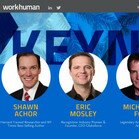 Leaders Create Human Workplaces
I’ve worked with a lot of leaders. A few are card-carrying members of The Bad Boss Diaries but most of them are decent people. In the workplace, I’ve found that even good people sometimes make really stupid leadership decisions. And this sucks the humanity out of the workplace. So when an ad appeared in my Facebook feed for the WorkHuman Conference, I clicked it. Who doesn’t want the workplace to be more human? Billed as a “New kind of HR conference” that “helps organizations harness the transformative power of emotional connections,” my curiosity was piqued. It’s decided: I’m in!
-
THE PEOPLE EQUATION | TUESDAY, MARCH 1, 2016
 Managing Workplace Dynamics as a Leader
John Mattone is a top executive coach, with numerous awards to his name, including the 2015 International Executive Coach Thought Leader of Distinction Award. He reached out to get my thoughts on leadership issues in the workplace. Go Go on over and check out my interview, Jennifer V. Miller About Managing Workplace Dynamics as a Leader. You’ll find out: Why I think everyone has the potential to be a leader, given a very specific set of circumstances. The one thing that many leaders fail to take into account when dealing with their team members. My take on the power of positive thinking.
-
THE PEOPLE EQUATION | MONDAY, FEBRUARY 29, 2016
 The 3-Step Process to Writing Your Personal Social Constitution
When you’re clear on what you stand for, it’s easier to weather a sea of distractions. Most people are fairly clear about their personal values, but sometimes it’s difficult to stay true to those values, especially at work. When I interviewed Hyrum W. Smith for his latest book The 3 Gaps , he described a simple process he uses to help people keep their values first and foremost in their mind. First of all, Smith says, everyone has a set of governing values, whether they realize it or not. Interestingly, That’s none of our business.” Of course, your values list may differ and that’s OK.
-
THE PEOPLE EQUATION | MONDAY, FEBRUARY 22, 2016
 Over-Thinking Things? Here’s How to Get Out of Your Own Way
Have you been struggling through a dilemma and spinning your wheels? You know the feeling: you’re trying to come to a decision, but you just can’t shake the niggling sense that something is out of place. You’ve made a list of “pros” and “cons,” you’ve talked with friends. You’ve searched the internet and read dozens of chat boards on the topic. And still, no decision. You, my friend, are over-thinking it. It’s time to stop analyzing so much and dial in to your “other” intelligence: your feelings. Because I [Row] am a hardcore thinker, I can relate to people who “love to think.” Why is this?
-
THE PEOPLE EQUATION | THURSDAY, FEBRUARY 18, 2016
 Beliefs, Deadlines and Productivity Measurements
Before I interviewed Hyrum W. Smith for his new book The 3 Gaps , I asked my Facebook friends to submit questions for the best-selling author and former CEO of Franklin Covey. He graciously extended our interview to field those questions. If you’ve never heard Hyrum Smith speak, here’s what you need to know: he’s energetic, relentlessly upbeat yet no-nonsense, and funny. His answers definitely reflect his personality and his life-long quest for making a positive difference. Here are three questions my friends asked, and Hyrum’s answers: How do our beliefs inhibit our productivity? Probably not.
-
THE PEOPLE EQUATION | TUESDAY, FEBRUARY 16, 2016
 100 Top Leadership Blogs – According to Social Media
Every year the Center for Management and Organization Effectiveness (CMOE) analyzes the social sharing patterns of leadership blogs. They publish the results each January. For the third year in a row, The People Equation has made the list. See the full list here: The Top 100 Socially-Shared Leadership Blogs of 2015. I’m grateful to CMOE for doing the heavy lifting of analyzing the stats. Some blogs had robust Facebook activity, others (like mine) favored LinkedIn. Frequency of posting doesn’t always directly correlate to number of social shares. No surprise there.
-
THE PEOPLE EQUATION | MONDAY, FEBRUARY 15, 2016
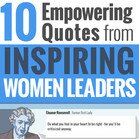 Quotes from Women in #Leadership
Blogging on The People Equation has taught me that readers love lists of quotations. Leadership quotes are a particular favorite. And if you bring gender into the equation, you get brisk discussion out of it as well. Just ask my friend and fellow leadership blogger Jesse Lyn Stoner. John Walston, co-founder of the site Resourceful Manager , sent me an email to let me know about a leadership infographic his team created for their blog. It caught my eye because it featured women in leadership. My curiosity was piqued so I checked out the rest of the site. Written
-
THE PEOPLE EQUATION | THURSDAY, FEBRUARY 11, 2016
 How the World Outside of Work Helps You be a Better Leader
Because I came to motherhood late in life, I had nearly two decades of supervisory experience under my belt before my first kid arrived. Up to that point, I had been a frontline leader, a manager, an internal coach to executives. I led workshops on numerous leadership and managerial topics. knew a lot about leadership. Or so I thought. Then I had a kid. And I realized my leadership learning had really only just started. Our lives outside of work have so much to teach us about leadership – if only we will open our eyes, ears and hearts to the lessons. volunteerism.
-
THE PEOPLE EQUATION | MONDAY, FEBRUARY 8, 2016
 3 Ways for Women to Lighten Their Office Housekeeping Load at Work
I’ll never forget the first time a male colleague (a peer) asked me to pick up his stuff after a meeting. I was quick to set a boundary: “You brought this stuff into the meeting room, I’m sure you can bring it back to your office.” ” Needless to say, he didn’t ask twice. But not all women are as bossy as me. And, not all situations allow women to talk that bluntly at work. Research shows that women bear the brunt of “office housework” and it decreases their ability to focus on key projects. wrote about this topic for the InPower Coaching site.
-
THE PEOPLE EQUATION | MONDAY, FEBRUARY 1, 2016
 Huffington Post’s “True North Leaders”
When Huffington Post published my article How to Stay Okay with Who You Are and Still Meet the Demands of Leadership, I discovered this great part of the site: their “ True North Leaders ” section, which highlights the “inner game” that leaders must master: authenticity, courage, values and integrity. I write about those topics frequently, so I’ll be sure to bookmark this page. My article made it to (nearly) the top of the page: This might be a page you’ll want to check out as well. Looks like some high-quality articles on leadership.
-
THE PEOPLE EQUATION | THURSDAY, JANUARY 28, 2016
 Think Less, Live More – A Worthwhile Gift
When I first ordered Shelley Row’s book Think Less, Live More: Lessons from a Recovering Over-Thinker , I was intrigued by the notion of learning to not “over-think” things. Indeed, this book does cover that topic. Yet it explores much more than just how to get out of analysis paralysis. The book also discusses how to identify your personal values, learn to set appropriate boundaries for yourself and create a compelling personal vision. Row was stymied. Feel” about something at work? From that enlightening day in a counselor’s office, Row decided to intentionally “work on feeling.”
-
THE PEOPLE EQUATION | MONDAY, JANUARY 25, 2016
 Reaming Out an Employee While You’re on the Treadmill – Bad Boss
Well, here’s a new way to conduct performance management discussions: ream an employee out while you’re on the treadmill. I was at the gym. Near me, there was a guy on the treadmill vigorously exercising while wearing earbuds and talking into his microphone. Loudly. There was little doubt about what was going on: he was having a “performance conversation” with an employee. Apparently, the employee was late. Or didn’t show up to work. In any event, Earbud Guy had a problem with this. What kind of boss does that? This is such a total managerial fail.
-
THE PEOPLE EQUATION | THURSDAY, JANUARY 21, 2016
 Why Collaboration Doesn’t Always Pay Off for Women
Nearly a decade ago, management consultancy McKinsey published a highly regarded white paper revealing that women outperformed men in five of nine key leadership behaviors. Three of those behaviors—people development, inspiration and participative decision making—have ties to collaboration. This research, among others, has formed the underpinnings of a narrative that gives a competitive career advantage to female leaders in the 21 st century. Yet for all of their collaboration chops, women often don’t get the credit they deserve. Here is the book review I wrote. Avoid over-delivering.
-
THE PEOPLE EQUATION | FRIDAY, JANUARY 15, 2016
 Leaders Who Care Too Much Have Control Issues
It’s good to work with a boss who cares. As with most things in life, too much of a good thing can cause problems. Compassion in a work team leader is a desirable trait, but leaders who care overly much tend to avoid critical decision-making and stunt their employees’ growth. It’s an issue of understanding the boundaries between leaders and employees, and releasing control, as I explain in this month’s contribution for Smartblog on Leadership. Go on over and check it out and let me know what you think. Leadership Personal Effectiveness
-
THE PEOPLE EQUATION | TUESDAY, JANUARY 12, 2016
 Closing the 3 Gaps – A Blueprint for Inner Peace
Hyrum Smith’s teachings have had a profound impact on the way I prioritize my life. As a young professional, I recall listening to an audio tape on how to effectively use the Franklin Planner time management system. Hyrum, then the founder of the Franklin Institute, was a charismatic speaker who was passionate about helping people connect their most important values to their work life. It’s funny how life comes full circle. Hyrum is now co-founder of 3 Gaps , an international consulting organization. So consider this first book the overview. So we wrote the book of the 3 Gaps.
-
THE PEOPLE EQUATION | WEDNESDAY, JANUARY 6, 2016
 Leaders Who Micro-Manage are Over-Functioning
Nobody likes to be micro-managed. Yet nearly all of us have felt the intense pressure of a manager who was too involved in the minutiae of our daily work lives. There are many reasons why leaders micro-manage. In some cases, a hands-on approach actually has benefits, according to this BBC article by Sydney Finkelstein. Leaders micro-manage because they have concerns that employees will make a mistake or can’t do the job properly. This is true with new employees or when a new policy or system is introduced. Yet some leaders have a hard time pulling away after the initial learning curve.
-
THE PEOPLE EQUATION | MONDAY, DECEMBER 28, 2015
 The Promise of Leadership
People expect things of you when you become a leader. When we step into leadership, we may not be aware that it comes with implicit promises in the form of expectations,” says Bob Anderson, co-author of the recently published Mastering Leadership. When I interviewed Anderson in advance of the book’s publication, he shared his perspective on a central theme of the book: there are “promises” inherent in every leadership relationship. Delivering on those promises is what makes a leader highly effective. Here’s what Bob had to say about the theme of “promises” as it relates to leadership.
-
THE PEOPLE EQUATION | MONDAY, DECEMBER 14, 2015
 How Will the Continuing Evolution of Social Media Impact the Workplace?
I’m a sponsored blog partner with Spherion (a staffing and recruiting organization) and am participating in the release of findings from Spherion’s Emerging Workforce® Study. All opinions are mine. Social media touches every element of the workplace. Whether it’s a customer service employee who tracks his company’s Facebook feed for disgruntled customers, or job seekers scanning Pinterest for job openings, social media continues to shape the way job candidates, employees and employers interact. Even though social media went mainstream several years ago, not all companies have it figured out.
-
THE PEOPLE EQUATION | THURSDAY, DECEMBER 10, 2015
 Simple Questions Leaders Can Use to Improve Peer Relationships
Engagement isn’t just for leaders and the people they lead. Go on over and check it out to learn how you can: Find out if you’re doing your best to shape interactions with your peers. Help your colleagues learn and grow. Step up to resolve conflicts and facilitate communication. Enjoy! Communication Leadership Bob Anderson employee engagement Mastering Leadership
-
THE PEOPLE EQUATION | MONDAY, DECEMBER 7, 2015
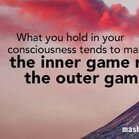 Leadership Greatness Springs from Within
“Leadership greatness springs from within. So you’ve got to go in.”. That’s what Bob Anderson, Chief Development Officer of The Leadership Circle told me when I interviewed him for his recently published book, Mastering Leadership: An Integrated Framework for Breakthrough Performance and Extraordinary Business Results. What does Bob mean by “going in?” It all starts with what Anderson calls one’s “inner game” – the inner workings of our mind that comprise who we are and how we “show up in the world.” Only then will you perform at your best as a leader. Yes, that’s important. Simple as that.
-
THE PEOPLE EQUATION | TUESDAY, DECEMBER 1, 2015
 Mastering Leadership – A Roadmap for Personal Transformation
Few would argue that “leadership effectiveness” is one of the most important elements of business success. Yet, how many leaders in their organizations make their own leadership development a top priority? Even fewer set out to make a monumental personal transformation along the way. Yet that just what’s needed in today’s complex work world: leaders willing to look inside themselves to initiate a personal transformation. An ambitious new management book aims to help those willing to partake in self-reflection towards personal mastery. You can watch it here. And that’s OK with Bob Anderson.
-
THE PEOPLE EQUATION | MONDAY, NOVEMBER 30, 2015
 Want to Land that Job? Pay Attention to the “Big 4” of Hiring
I’m a sponsored blog partner with Spherion (a staffing and recruiting organization) and am participating in the release of findings from Spherion’s Emerging Workforce® Study (“EWS.”) All opinions are mine. Want to find a new job? You probably figure that prospective employers place a heavy emphasis on your current job to decide if they want to hire you. Surprisingly, that’s not the case. Spherion’s Emerging Workforce Study uncovered this startling fact: less than ten percent of employers think your current employment status is an important factor in hiring decisions. Resume- 13%. Cultural fit.
-
THE PEOPLE EQUATION | WEDNESDAY, NOVEMBER 25, 2015
 The Many Benefits of Gratitude
What are you grateful for? Our national holiday of Thanksgiving is tomorrow, so naturally, gratitude is on my mind. I was curious about the tangible benefits of gratitude. Can the act of being grateful have mental benefits? What about physical benefits? Turns out that yes, giving thanks provides more than just a temporary “feel good” state. Here’s what I discovered: Gratitude improves your sleep, mental health and ability to make friends. Managers who say “thank you” help increase their employees’ motivation to work harder. . Clearly, gratitude is an emotional state that reaps many benefits.
-
THE PEOPLE EQUATION | THURSDAY, NOVEMBER 19, 2015
 What You Learn When You Tell People No
How good are you at saying “no?” It’s a fascinating subject to me. This is probably because I’m still a work in process when it comes to being 100% comfortable saying no. One way to look at saying “no” is from the standpoint of you as the individual declining a request or setting boundaries. For example, here are four different ways to say no and still keep your job. And one of my most popular posts is about how saying “no” elevates your integrity. You can also look at saying “no” from the vantage point of the person on the receiving end of that “no.” Think about this for a minute.
-
THE PEOPLE EQUATION | THURSDAY, NOVEMBER 12, 2015
 5 Things to Know When You Move into Senior Management
Stepping into a senior leadership role has its own set of unique challenges. The scope of your job gets bigger. You have to answer to more people. It’s easy to become distanced from the front-line workforce. interviewed several business people and asked, “What did you learn when you were promoted to upper management?” Some of their answers surprised me (“It’s not as political as I anticipated”); some didn’t (“I work a ton of hours.”). Leadership Career Personal Effectiveness
-
THE PEOPLE EQUATION | MONDAY, NOVEMBER 2, 2015
 23 Leadership Essays via @LeadChangeGroup
The Lead Change Group is hosting this month’s Leadership Development Carnival. In it, you’ll find over 20 leadership authors, consultants and coaches who wrote about various leadership topics, including: Leaders who have “real” conversations. Helping people avoid the “drama” that sometimes needlessly occurs in the workplace. How to lead people, even when they irritate you. Leaders who develop a listening culture. and 19 more insightful essays. Check it out: the November 2015 Leadership Development Carnival on the Lead Change blog. Blog Carnival Leadership
-
THE PEOPLE EQUATION | MONDAY, OCTOBER 26, 2015
 Social Recruiting – It’s Time to Get on Board
I’m a sponsored blog partner with Spherion (a staffing and recruiting organization) and am participating in the release of findings from Spherion’s Emerging Workforce® Study (“EWS.”) All opinions are mine. What does the rise of social recruiting mean for the future of HR? The way that companies attract qualified job applicants continues to evolve at lightning speed. Just a decade ago, all a company had to do was keep the “careers” section of their corporate web site up to date with job postings. A few years ago, along came sophisticated career sites and job boards.
-
THE PEOPLE EQUATION | MONDAY, OCTOBER 19, 2015
 Leaders as the Curators of Their Messages
Leaders who curate their message show that they care. What if, as leaders, we were effective curators of our message? What if we coached our employees to be effective curators as well? The origins of the word “curator” are from the Latin word curare meaning “to care.” In this world where there is simply too much information to digest, leaders must find a way to help employees make sense of the barrage of information that inundates them every day. If leaders don’t curate their messages, others will assign meaning for them. And sometimes this leads to mistakes and misunderstandings.
-
THE PEOPLE EQUATION | THURSDAY, OCTOBER 15, 2015
 Tips for Small Business Owners Who Want a Positive Company Culture
Many small business owners probably think they can’t compete with big-business perks like nap rooms and fancy corporate cafeterias. Although it’s true that “Mom-and-Pop” shops can’t offer big financial benefits, they can still build a reputation for their company as a great place to work. Head on over to my latest Smartblog on Leadership post to learn four ways that small businesses can create a great company culture with Low-cost ways small business leaders can create a health company culture. Leadership Workplace Issues Corporate Culture
-
THE PEOPLE EQUATION | MONDAY, SEPTEMBER 28, 2015
 Can Companies Truly Offer the Work Flexibility that Employees Crave?
I’m a sponsored blog partner with Spherion (a staffing and recruiting organization) and am participating in the release of findings from Spherion’s Emerging Workforce ® Study (EWS). All opinions are mine. When I was a kid, the cartoon The Jetson’s featured flying cars. Decades later, we still aren’t flying around like George Jetson. All that time ago, humans could envision individual air transport, but it’s not a reality yet. Predicting the future is a heck of a lot easier than making it come true. Just ask Google how easy it is to get people to accept self-driving cars.).
-
THE PEOPLE EQUATION | THURSDAY, SEPTEMBER 24, 2015
 5 Ways to be a Leader – and Only One Requires a Title
. Everyone has the capacity to lead. Not everyone agrees with this statement. In fact, it’s a hotly contested debate on many leadership blogs. believe it. believed it when I helped co-author The Character-Based Leader in 2012. And I believe it more with each passing day, especially as I coach my kids in their daily endeavors. Now, a book has come along that succinctly summarizes what it means to be a leader—in five distinctly different, yet important ways. This week, the book Co-Active Leadership: Five Ways to Lead launched. The Leader Beside. The Leader in Front. The Leader Behind.
-
THE PEOPLE EQUATION | MONDAY, SEPTEMBER 21, 2015
 Tips for Improving Your Company’s Leadership Development
When I interviewed Devin Lemoine for the Smartblog on Leadership article, Is your star player ready for a promotion? she offered up excellent advice for companies seeking to develop their leadership talent. Lemoine, who is the President of the leadership development consulting firm Success Labs , had so many great ideas that I couldn’t use them all for the Smartblog post. Devin generously agreed to share a summary of our conversation regarding leadership development practices as they relate to High-Potentials (“HIPO’s”), High Performers, and peer-to-peer coaching. This is Jennifer.
-
THE PEOPLE EQUATION | MONDAY, SEPTEMBER 14, 2015
 How to Increase Your Training Impact through Business Simulations
This post is brought to you by Simulation Studios, specializing in creating business simulations and gamification solutions for leadership development, business acumen, and business silo reduction. See below for full disclosure. Picture this: a group of promising young leaders is seated in their classroom, awaiting the arrival of their instructor. It’s the second week of their two-week leadership development program. The topic for the day is “Business Acumen.” The “Wizard of Wall Street” has arrived! Business acumen? Financial management? What a dry topic, right?
-
THE PEOPLE EQUATION | THURSDAY, SEPTEMBER 10, 2015
Every Star Player Isn’t Necessarily Senior Leadership Material
Do you have top performers that are ready for promotion? Before you offer more responsibility, determine if your star players are “high potential” or “high professional.” ” This distinction is important because you want to offer the challenge to people who are both able and willing to step into a larger role. How to tell the difference? highlight three areas to focus on in this month’s Smartblog on Leadership post, Is your star player ready for a promotion? Go on over and check it out. Leadership Leadership Development
-
THE PEOPLE EQUATION | MONDAY, AUGUST 24, 2015
 At What Age Are Millennials Ready to Lead?
. I’m a sponsored blog partner with Spherion (a staffing and recruiting organization) and am participating in the release of findings from Spherion’s Emerging Workforce® Study (EWS). All opinions are mine. When are employees ready to step into leadership roles? Although there is no definitive “right” answer to that question, it’s one that employers increasingly grapple with. The Baby Boomer generation is (slowly) leaving the workforce—and those in charge of filling the leadership pipeline wonder, Will there be enough skilled leaders to replace them? about it. photo credit: istockphoto.
-
THE PEOPLE EQUATION | MONDAY, AUGUST 17, 2015
 Tips for Running a High-Potential Leadership Development Program
Back in the day when I worked for a large corporation, there were employees who had been selected for some sort of quasi-secret leadership development program. It was this weird situation in which Suzanne (or Jose, or Robert) was reportedly in “the program” but they couldn’t talk in detail about it with people outside of the program. The not-so-secret program was this: Suzanne (and her cohorts) were designated as “high-potential” (“HIPO”) employees who were being groomed for senior leadership positions. What is a High-Potential Employee? Let’s face it: on some level, people know. They know.
-
THE PEOPLE EQUATION | THURSDAY, AUGUST 13, 2015
 3 Ideas for Filling Your Leadership Pipeline
An estimated 85% of companies have some sort of formal or informal leadership development process. Yet, a “process” is not enough to ensure that your company has enough experienced leaders to fill your company’s leadership pipeline. interviewed experts and researched the best practices for developing “high potential” talent – those up-and-coming managers who will someday lead your organization. My insights are over at the Smartblog on Leadership in 3 Tips for Developing Your High Potential Leaders.
-
THE PEOPLE EQUATION | MONDAY, AUGUST 10, 2015
 Blueprints for Nine Essential Business Meetings
Let’s just put it right out there: pretty much everybody loves to hate business meetings. I’m on the record in support of meetings if they’re held for the right reasons and are run effectively. So, count me in the minority of people who think (some) meetings are OK. The problem is, we humans can muck things up pretty fast. When it comes to meetings, the list of blunders is endless. From having the wrong people in the room, to not having an agenda, to being unclear about the meeting’s purpose, it’s a wonder anything gets done at work. It’s titled, Essential Meetings Blueprints for Managers.
-
THE PEOPLE EQUATION | TUESDAY, AUGUST 4, 2015
 26 Essays on Leadership Development #LeadChange
This month’s Leadership Development Carnival is hosted at The Lead Change Group blog. Curated by Becky Robinson and her Weaving Influence team, you’ll find 26 posts on a wide range of leadership topics, including: – The epidemic risk of inconsistency. – Ways to positively influence people at work. – Leadership behaviors to move up on your priority list. – Qualities all employees want in their leaders. You can see the entire carnival at the August 2015 Leadership Development Carnival. Enjoy! Blog Carnival Leadership
-
THE PEOPLE EQUATION | MONDAY, AUGUST 3, 2015
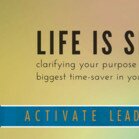 Leadership Truths to Empower Millennial Leaders
This is one of my favorite quotes from the book. Are you crystal-clear on your purpose? Jon Mertz is. His purpose is to guide, challenge and inspire people of the Millennial generation to fully realize their leadership potential. Mertz realized this purpose in an unlikely place: a grove of Aspen trees while he was snow-shoeing in the American Rocky Mountain range. Activate Leadership: Aspen Truths to Empower Millennial Leaders is a well-written and fresh take on a generation that is often maligned by the over-forty crowd. His book is a great place to start if you also share that desire.
-
THE PEOPLE EQUATION | MONDAY, JULY 27, 2015
 4 Key Skills Employees Need for the Workplace of the Future
I’m a sponsored blog partner with Spherion (a staffing and recruiting organization) and am participating in the release of findings from Spherion’s Emerging Workforce Study. All opinions are mine. What are the top skills that the employee of the future needs? recent study commissioned by Spherion and conducted by Harris Poll aimed to find out. Given that big data is making its way into all elements of the workplace, it may not surprise you to discover that the survey identified skill sets that support the tech-intensive world of work: Problem solving skills. Strategic thinking skills.
-
THE PEOPLE EQUATION | MONDAY, JULY 20, 2015
 Lead better meetings with these 16 questions
Does leading meetings frustrate you? Maybe you have someone in your meeting who has ideas— lots of them—who can’t seem to shut up. Or perhaps it’s the opposite issue: meeting participants are shutting down good discussion in the interest of “keeping things moving.”. If either of the scenarios sounds familiar, then you will want to read my latest post on Smartblog on Leadership. It’s about the two types of conversational flow that meeting leaders must master to lead effective meetings. Personal Effectiveness Meetings Professionalism
-
THE PEOPLE EQUATION | THURSDAY, JULY 16, 2015
 Important Questions all Leaders Should Ask of Top Performers
How do you keep your top talent from jumping ship? For starters, let them know how much you value them. According to research, something as simple as conducting a “stay interview”—a conversation in which you review an employee’s likes and dislikes about the job—can help significantly reduce turnover of valued staff members. Want to give stay interviews a try, but aren’t sure where to start? If so, what was the impact on your job satisfaction? Leadership employee engagement Personal Effectiveness
-
THE PEOPLE EQUATION | MONDAY, JULY 13, 2015
 The Real Meaning of Engaged Leaders
Much of what’s written about “employee engagement” focuses on how to get your employees more involved at work. As a leader at your company, you’re also an employee; how “engaged” are you? And, are you engaged in the right things? Undoubtedly, you’re busy, but is that the same as engagement? According to research by Development Dimensions International (DDI) 89 percent of leaders with strong interaction skills have more engaged teams. It makes sense that there is a correlation between your interaction as a leader and employee engagement. Yet there’s an irony at play. Awareness of challenges.
-
THE PEOPLE EQUATION | TUESDAY, JULY 7, 2015
July 2015 Leadership Development Carnival – hosted by @thehrgoddess
This month’s Leadership Development Carnival is hosted by my co-author and friend Jane Perdue. On Twitter Jane is known as @thehrgoddess. She’s rounded up a wonderful collection of essays on leadership, with diverse topics such as: – leadership through the lens of moral character. – becoming an agile and adaptable leader. – how to make better, faster leadership decisions. – Holacracy and freedom. So go on over, and check out Jane’s post on the LeadBIG blog – July 2015 Leadership Development Carnival. Blog Carnival Leadership
-
THE PEOPLE EQUATION | MONDAY, JUNE 29, 2015
 Leadership Communication is Vital During a Crisis
When tragedy strikes, the CEO must speak up. Even though it happened over 20 years ago, the memory is vivid: While working in corporate America, I was waiting for a fax for one of my projects. Upon hearing the sound of an incoming fax, I grabbed the paper off the machine, read it, and then lost all thought of the task on which I had been so urgently focused. The message was a memo from our company’s CEO, addressed to the entire organization of 5,000 global employees. He was writing to let us know that there had been a fatality at one of our manufacturing facilities. Humanize the message.
-
THE PEOPLE EQUATION | THURSDAY, JUNE 25, 2015
 3 Sure-Fire Ways to Ruin Trust with Your Team
Charlie is a charming, highly persuasive marketing executive for a growing technology company. He’s a delight to work with—until you tell him what he’s asking for isn’t possible. Then, his charm rapidly dissipates. On a good day, you’ll get a reptilian smile with, “I’m sure someone with as many years in the business can find a way to make this work”; on a bad day, it’s a terse “just find a way.” No amount of reasoning will work with Charlie because, in his mind, there are two types of people: winners and losers. And Charlie doesn’t lose. Persistence and tenacity definitely pay off.
-
THE PEOPLE EQUATION | WEDNESDAY, JUNE 24, 2015
 4 Things Top Managers Do To Improve Employee Engagement
Improving your interactions with employees isn’t rocket science, but it does take effort. interviewed top managers to find out specifically what they do to create connection and engagement with their employees. You’ll find a list of four tips for managers to communicate more effectively with their team members over on TINYPulse’s Employee Engagement & Culture blog with the post, Real-Life Solutions for Employee Engagement. photo credit: istock photo. Leadership employee engagement Kevin Kruse Series Management
-
THE PEOPLE EQUATION | THURSDAY, JUNE 18, 2015
 Tips for Maintaining Your Focus as a Leader
In the new book The Disciplined Leader , John Manning writes about the importance of focus—and how it drives leadership success. After reading the book, I had the opportunity to ask John some follow up questions. What follows is an edited version of our conversation. Jen: In the book’s introduction, you write that leaders must learn to focus on the “Vital Few” in order to achieve results. How does one go about staying focused on the Vital Few? . John: That’s a great question because making sustainable, personal change is hard. Instead, start with a few changes that you can really focus on.
-
THE PEOPLE EQUATION | TUESDAY, JUNE 16, 2015
 16 Discussion Questions to Help You Lead Better Meetings
Does leading meetings frustrate you? Maybe you have someone in your meeting who has ideas— lots of them—who can’t seem to shut up. Or perhaps it’s the opposite issue: meeting participants are shutting down good discussion in the interest of “keeping things moving.” If either of the scenarios sounds familiar, then you will want to read my latest post on Smartblog on Leadership. It’s about the two types of conversational flow that meeting leaders must master to lead effective meetings. Leadership Personal Effectiveness Communication Meetings
-
THE PEOPLE EQUATION | MONDAY, JUNE 15, 2015
 52 Messages for Becoming a Disciplined Leader
As a leader, are you committed to “relentless self-control and positive work habits?” In the book The Disciplined Leader, author John Manning makes the case for discipline, writing that effective leaders employ “consistent application of certain mindsets and actions that are vital for [their] success.”. Yet, as Manning found when he began conducting research for this book, some people were squeamish about the word “discipline.” For some, it felt too rigid or conjured images of ruler-wielding school teachers. The book is divided into three sections: Lead Yourself. Lead Your Team. Lead Your Team.
-
THE PEOPLE EQUATION | MONDAY, JUNE 8, 2015
 Even Good Leaders Lose Against a Bad System
“The other day I had a revelation at work.”. That’s my friend Sally , chatting with me at lunch. “Oh? How so?”. That’s me, ever the inquisitor. Sally took a new job a few months ago and we were catching up on life. Well, the VP of my division stopped me in the hall the other day to ask how it was going. I was immediately on alert – I’m thinking, what had I done wrong? Oh, crap, did somebody complain about my department? Evidently, I must have tensed up before I responded, because he said, ‘Hey relax, I just wanted to know how it’s going.’ Sally was being set up for criticism or bad news.
-
THE PEOPLE EQUATION | MONDAY, JUNE 1, 2015
 5 Reasons You’re Over-Thinking Your Leadership Decisions
How much time each week do you spend making decisions? Likely, many of the choices you make are almost automatic, requiring little thought: attend that meeting or not? Stay late to finish the report tonight, or come in early tomorrow? And then, there are more challenging choices, such as whether or not to terminate an underperforming employee’s employment. Your daily work life is made up of numerous tasks, all of which require decision-making. Not all decisions are reached quickly, however; about 12 percent of CEO decisions require an hour or more of thought. If it does, learn to let it go.
-
THE PEOPLE EQUATION | TUESDAY, MAY 26, 2015
 What Type of Employee is a Good Fit for Holacracy?
Do employees really enjoy working in a self-organized structure? Holacracy —sometimes touted as a “leaderless” environment—eliminates traditional management titles and functions. The degree to which employees enjoy this organizational structure depend on many factors. Some people take well to this extreme level of self-organization, others don’t. Even at online retailer Zappos, the most famous of Holacracy adopters, 14 percent of the workforce opted out rather than move to 100 percent self-organization. But it’s difficult to parse out exactly why they departed. Ability to Self-Organize.
-
THE PEOPLE EQUATION | TUESDAY, MAY 19, 2015
 Leading Yourself on the Path to Employee Engagement
Do employees really want to be engaged? If you define “employee engagement” as author Kevin Kruse does (“The emotional commitment the employee has to the organization and its goals”), it’s likely that yes, all employees want to feel some level of connectedness to the work they do. Yet, as Kruse, author of Employee Engagement is for Everyone points out, it’s not only the manager who’s responsible for the feelings of engagement. Employees also must take on ownership for designing their level of satisfaction with their work. They also need to see themselves as leaders too. Wait, what? Jen: How so?
-
THE PEOPLE EQUATION | FRIDAY, MAY 15, 2015
 23 Leadership Lessons About Energizing Yourself and Others
How do you derive energy from the task of leading? Many times, being in a leadership role is draining, not energizing. As with many other things in life, one needs to actively seek out ways to overcome flagging energy. This month’s Frontline Festival blog carnival, hosted by Let’s Grow Leaders’ Karin Hurt, assembled 23 stories about how leaders can energize themselves and others. Topics include: – The benefits of taking time off. – How connections create energy. – How to prevent or recover from an emotional crash. – Authentic listening.
-
THE PEOPLE EQUATION | THURSDAY, MAY 14, 2015
 What Type of Engaged Leader Are You?
Are you a Plugged-In Leader or an Otherwise Occupied Leader? To find out, go on over to Smartblog on Leadership and read my May post, Are you the wrong type of “engaged” leader? hint: while researching the meaning of “employee engagement” and “engaged” employees, I discovered an intriguing nuance in the definition of “to engage.” It’s wordplay to be sure, but the difference may be enough to prompt you to consider a change in your leadership approach. As always, I welcome comments here on The People Equation, or on the Smartblog site. Photo credit: 123rf alexwhite.
-
THE PEOPLE EQUATION | MONDAY, MAY 11, 2015
 4 Ways to Get More Out of Meetings with Your Manager
Are you getting the most out of your 1:1 meetings with your boss ? According to a recent study , about 73 percent of employees meet with their team leader at least once a month. That’s not a lot of face time, so be sure you make the most of this important interaction with the following tips: Show Initiative. Are you thinking, “What one-to-one meeting? I’m lucky to see my boss at lunch in the cafeteria once a month,” then you have your work cut out for you. But just because there isn’t a consistent meeting time set up with your team leader doesn’t mean there can’t be. Clarify Expectations.
-
THE PEOPLE EQUATION | THURSDAY, MAY 7, 2015
 The One Minute Manager – A New Leader’s Story
In 1984, as a college senior, I was employed by my university as an Assistant Residence Hall Director (AD). It was the first job in which I had a staff that (dotted line) reported to me. During the day, everyone answered to the full time Residence Hall Director. On the evenings and weekends, I rotated shifts with two other AD’s overseeing fellow students who were Resident Advisors (RAs). In the fall of that year, a few days before the RA’s arrived for their training, our Hall Director Marilyn gather the three AD’s in a room and told us, “I’m excited to be working with you this year.





Let's personalize your content