-
CULTUREIQ | FRIDAY, NOVEMBER 4, 2016
 How to Build a Culture of Agility When Everyone’s Afraid to Fail
In a competitive marketplace, organizations try to combat new challenges and disruptive ideas with innovation and creativity. But there’s just one thing — it’s practically impossible to be innovative and creative if you’re restricted by a fear of failure. You simply don’t have access to the agility required to respond and adapt to new problems with new solutions. It’s natural for employees to fear failure. It feels good to excel at your job, and the promotions that come with success feel pretty good, too. To the untrained eye, failure can seem an awful lot like making mistakes.
-
CULTUREIQ | THURSDAY, NOVEMBER 3, 2016
 Best Practices for Onboarding Remote Employees
One of the primary goals of an onboarding process is to help new hires acclimate to the social and professional expectations of their new work environment so that they can proceed comfortably and effectively in their roles. As more companies choose to hire remote workers, they face the challenge of creating an onboarding process that accomplishes this goal for virtual employees. Welcoming your new employees in person makes it easy to answer questions, meet team members, and get their reactions. Having no opportunities to bond through face-to-face meetings is a very different experience.
-
CULTUREIQ | MONDAY, OCTOBER 31, 2016
 Is Your Management Team Contributing to a Healthy Culture?
We’ve said it again and again in different ways: culture doesn’t build itself ; culture requires teamwork ; and, most importantly, culture starts with leadership. But even though your management team knows it’s responsible for building culture, that doesn’t always mean they know what to do about it. And while sporadic culture-building efforts might be better than nothing, a concentrated, collective effort by your team is much more effective. Let’s be honest. Sometimes the culture problem can be your leadership team ( click here to find out if that’s happening in your organization now ).
-
CULTUREIQ | WEDNESDAY, OCTOBER 26, 2016
 How to Cultivate a Healthy Remote Culture Through Intentional Leadership
Over the past 20 years, there’s been a 40 percent increase in the number of companies that offer work from home or telecommute benefits to employees. The result is that more than 60% of organizations have had to build, manage, and lead a team that they don’t necessarily see in person every day. While in-house employees can benefit from the existing company culture from day one, virtual workers are often on their own when it comes to building camaraderie and sensing the tone of a new workplace. We found that the best remote hires are curious, committed, and trustworthy self-starters with no ego.
-
CULTUREIQ | MONDAY, OCTOBER 24, 2016
“Is It Me?” How to Diagnose a Management Problem
Self-awareness is one of the most powerful qualities you can cultivate in yourself. For CEOs, a high level of self-awareness is the strongest predictor of overall success. For HR managers, self-awareness makes you more sensitive to social cues and shifts in company culture. And for just about everyone else in your company, self-awareness is key to preventing and managing stress. . But just because self-awareness is important doesn’t mean it’s easy. It’s hard to take an unbiased look at your performance and your workplace, especially when it’s your job to lead with confidence. Leadership
-
CULTUREIQ | MONDAY, OCTOBER 17, 2016
 How to Get Old-Fashioned Leaders to Embrace Modern Workplace Values
The entertainment industry is chock full of traditional bosses: the clumsy but beloved Michael Scott from The Office, the demanding Miranda Priestly from The Devil Wears Prada, and the formidable Jack Donaghy from 30 Rock. What makes these bosses so traditional? Well, just imagine telling any of them that you’re going to go ahead and work from home today. Or that you need to ask time off for a month (under the company’s unlimited PTO policy, of course), so you can road trip across New Zealand. These examples are extreme, of course. Here are three ways you can do just that: . Let’s be honest.
-
CULTUREIQ | FRIDAY, OCTOBER 14, 2016
 Employees’ Perception is Culture Reality
On the playground when I was a kid, a classmate asked me what color the sky was. told him “blue,” most likely accompanied by a condescending eye-roll. He then pointed out that the version of blue I saw might not be the same blue color he saw. still remember how this gave me pause. As an elementary school kid, I had never thought about the nuances of perception before. naturally assumed we saw the same version of blue because we were both humans with a set of eyes. Yet, upon thinking about it more, I realized that there was no way to verify that we were seeing the same color. How would you feel?
-
CULTUREIQ | WEDNESDAY, OCTOBER 5, 2016
 Why We Need to Stop Idolizing Overwork
No matter how much we smile and nod at trendy headlines about work-life balance, the stink of overwork in the office is still familiar to all of us: the employee who stays past close of business to work til 8 PM; the coworker who sends detailed work emails at 9 PM on the weekend; and even worse, the never-ending “I worked an 80-hour week” water cooler conversation. In most working environments, overwork can seem harmless enough. Who among us doesn’t understand the periods of hustle that come with building a career and the value of just digging down and getting work done sometimes? Wellness
-
CULTUREIQ | MONDAY, OCTOBER 3, 2016
 How to Save Your Team from the End of the Year Slump
It’s that time of year — the 100-day dash between late summer and mid-Fall where employees and managers alike try to complete projects and connect with clients before the holiday season pulls everyone away from their desks. For many industries, the end of the year is a traditionally slow time. After summer vacation, we get into gear in the early fall months and naturally slow down our efforts as the year comes to a close. But does it have to be that way? Proactively address seasonal depression. Approach time with some creativity. Don’t let empty seats affect morale. Office Life
-
CULTUREIQ | THURSDAY, SEPTEMBER 29, 2016
 Programs and Policies that Foster a Transparent Company Culture
This is a guest post by our friends at Justworks. Building a strong company culture — one with motivated, engaged employees — starts with building your company values. Those company values will set the tone for your company’s culture and vision. It will also make business decisions and policies much easier. By focusing on your values, all the decisions and actions that factor into running a business will be much more straightforward. One of Justworks’ six values is ‘openness’. Why do we value openness so highly? Create an Expenses Policy. Accommodations. Food and entertainment. Office supplies.
-
CULTUREIQ | MONDAY, SEPTEMBER 26, 2016
 37 Warning Signs Your Culture Is Heading Down the Wrong Path
A great company culture is obvious: it just works. Projects get done, and people are happy to be there. There’s an energy in the air that invites productivity and participation, and even if it’s not perfect, it’s at least a place where everyone feels comfortable. . It’s far harder, we think, to diagnose and treat exactly what’s gone wrong in a culture “gone wrong.” Collaboration. We define collaboration as an environment in which people cooperate, share, and work well together. When that’s not happening…. Employees form cliques where some individuals actively sabotage each other.
-
CULTUREIQ | TUESDAY, SEPTEMBER 20, 2016
 Could Employee Stress Be Holding Your Company Back?
If there’s anything we can be sure about regarding our ever-evolving business world, it’s that stress isn’t going anywhere any time soon. And that makes it difficult to address the reality that chronic stress in the workplace costs businesses billions every year in lost productivity and attendance , not to mention the catastrophic cost to employee health. Billions of dollars a year is more than enough to motivate any HR leader to take another look at the topic of stress. But do you want to know what should really keep you up at night regarding the topic of stress? So, what’s an employer to do?
-
CULTUREIQ | FRIDAY, SEPTEMBER 16, 2016
 Emotional Contagion: Containing Bad Attitudes in Your Workplace
When we reflect on feelings in the workplace, most of us think we should leave our emotions at the door. After all, doing good work requires you to focus on tasks and accomplishing things, right? And the best way to handle moods and emotions when you want to get something done is to ignore them… right? . But if emotions in the workplace don’t matter, Brandon Smith, The Workplace Therapist , wonders why all of our feedback revolve around personal characteristics. Or: “Oh, he’s toxic. His attitude is completely cancerous.”. “He’s an emotional vampire.”. You can’t fix what you can’t measure.
-
CULTUREIQ | FRIDAY, SEPTEMBER 9, 2016
 Survey Follow-Up Campaign: How 1st Global Responds to Employee Feedback
When asked about whether employees will tire of providing feedback, we often respond by saying that there is no such thing as survey fatigue, only inaction fatigue. In fact, David Shanklin, CultureIQ’s Head of Culture Strategy, argues that collecting feedback from employees and not acting on it can be even more detrimental to employee sentiment than not collecting feedback in the first place. Why is it, then, that so many companies with well-intentioned leaders face inaction fatigue? Leaders try to fix everything at once. Driver 1: Leadership and Future Outlook. Driver 2: Survey Follow-Up.
-
CULTUREIQ | THURSDAY, SEPTEMBER 8, 2016
Employee Volunteering & Company Culture: A Love Story
This is a guest post by our friends at YourCause. The top factors in choosing to apply for a job have pretty much remained the same: salary, job stability, career advancement, blah blah blah…. that is, until recently. As millennial’s flood the job market, their attention to happiness in the workplace is catching on and companies are taking notice. That “feeling in the office” or “work vibe” is an outcome of the company’s culture, and it’s vital to attracting and keeping top talent. So how do we create a happy, healthy, company culture? 56% U.S. average). Team Building. Employee Recruitment.
-
CULTUREIQ | WEDNESDAY, SEPTEMBER 7, 2016
 Keep Employees Healthy and Happy with These Work Perks
At CultureIQ, we believe that culture is about more than perks, but when perks are aligned with your values and chosen wisely (like the ones below), they can go a long way to enhance your culture! This This is a guest post by our friends at Justworks. Diet, exercise, reflection, education — each of these factors goes a long way to helping us achieve health. Extending those pillars of a healthful lifestyle to the workplace, however, can be difficult. Most office jobs are sedentary and natural light can be hard to come by. Snack offerings rarely extend beyond chips, candy, and soda. Add Some Zen.
-
CULTUREIQ | TUESDAY, SEPTEMBER 6, 2016
 Making the Most of Your Workplace: Content Roundup
When thinking about culture-driven workplaces, images of game rooms, accent walls, and bar carts come to mind, all of which are certainly fun, but not essential, components of culture. Therefore, it can be tempting to dismiss the workplace as a superficial element of company culture. However, the workplace is much more than that. workplace influences how employees interact with each other, what resources they can access, and how they feel when they walk into work every day. What Kind of Culture Is Your Workplace Promoting . Read here ). Quick Fixes to Improve Your Work Environment .
-
CULTUREIQ | THURSDAY, SEPTEMBER 1, 2016
 5 Things Failure Teaches You (from Leaders Who Failed)
In a recent webinar focusing on building innovative cultures, we talked a lot about failure. In fact, we had a whole slide dedicated to it (you can listen to the webinar recording here ). The The thing about failure is that isn’t particularly productive unless you know how to learn from it. Here Here is a great article about how to do just that, by Amy C. Edmonson of Harvard Business School. After reading that article, if you’re still afraid of “failing” just a little bit, here are five prominent leaders that found success when faced with a discouraging situation.
-
CULTUREIQ | TUESDAY, AUGUST 23, 2016
 Active Listening as Organization: Taking the Employee Voice to Heart
We often talk about the importance of listening to your employees. However, for something we’ve been taught since kindergarten, listening is a skill that requires quite a bit of practice and intention. For example, while in a conversation have you ever found yourself forming a response while the other person was talking, only to realize that you missed their last few points? You’re not alone. In fact, research says that people remember 25-50% of what they hear. Yikes. Active listening is a technique used to close this gap between what we hear and what we retain. Collect feedback. Look around.
-
CULTUREIQ | FRIDAY, AUGUST 19, 2016
 Culture Agility Is Learning to Try Things, Not Trying to Fix Things
Let’s talk about culture agility. I’ll start by unpacking the concept and then walk through how it can be practically applied in your organization. And by the end of this post, you might even agree with me that culture agility is the most fundamental of the CultureIQ core qualities. The What. Culture agility is the ability of an organization to move through the growth process. That is: the process of trying things, learning from them, and then iterating. the process of failing, and learning from failures. and the process of reinforcing agile behaviors. The Why. The How. Start small.
-
CULTUREIQ | TUESDAY, AUGUST 16, 2016
 How Things Get Done at … AppNexus
If you go to AppNexus’s Glassdoor page, it is full of green stars. These ratings are particularly impressive for a company that has grown from 30 to 1000 in the past seven years. The AppNexus culture first got put on my radar after hearing Lorraine Buhannic, the Senior Director of Talent Acquisition at AppNexus, speak on a panel about company culture. left feeling incredibly inspired, and I wanted to learn more. Thus, I synced up with Brandon Atkinson, the Chief People Officer at AppNexus. An above and beyond culture: “ It’s a culture where good is never good enough. Onboarding.
-
CULTUREIQ | MONDAY, AUGUST 15, 2016
 Culture is a Team Sport: How to Encourage Everyone to Play Their Part in Shaping a Positive Company Culture
Company culture makes a lot of headlines as a leadership issue. “If my CEO would only prioritize culture during the next all-hands meeting, the problem of company culture would be solved once and for all,” the story goes. But while the CEO’s role in company culture is important (and we’ll get to that shortly), this top-down approach to defining and implementing culture is just about as wrong as it gets. First, company culture isn’t a problem. It’s an opportunity. Second, company culture is shaped by every single department within a company, if not every single person. Human Resources.
-
CULTUREIQ | FRIDAY, AUGUST 12, 2016
 How Strategic Is Your Company Culture? Strategic Culture & Why You Need It.
“Strategic culture” is not merely a catchy phrase to drop in a business meeting. It’s actually a very powerful concept that can help you think through what your company values and what that means for your internal strategy. Brandon Smith, also known as the Workplace Therapist , spoke about this topic at a CultureIQ event earlier this year, and everyone walked away wanting to learn more. We We wanted to help you do just that, so we reached out to continue the conversation with him. The Recipe for a Strategic Culture. You can’t decouple personal and work values.
-
CULTUREIQ | THURSDAY, AUGUST 11, 2016
 Why Culture Change is Like Working Out
Every summer, I tell myself that I’m going to be beach-body ready by the time the sunshine and 90-degree weather hit. I buy new yoga pants. join a gym. Yet after two days straight of jumping on the cardio machines, other priorities start to creep in. have too much work to do. need more sleep. My My good intentions remain just that – good intentions. This cycle got me thinking about the challenges many leaders encounter when trying to drive culture change. Unfortunately, Instead, focus on improving one aspect of your organization at a time. It takes time. It’s often de-prioritized.
-
CULTUREIQ | TUESDAY, AUGUST 9, 2016
 Two Approaches to Measuring the ROI of Employee Engagement
When you enter the field of human resources, it only takes a few months to observe an indisputable natural law: engaged employees do better work. Subtle signs that indicate engagement, such as creativity, energy, and enthusiasm, may seem optional to higher levels of leadership — after all, some jobs don’t require passion to get them done — but human resource professionals know that these subtle signs combine to signal an environment that maximizes productivity, efficiency, and profitability. The result? Defining Employee Engagement. Measuring the ROI of Employee Engagement.
-
CULTUREIQ | FRIDAY, AUGUST 5, 2016
 [Infographic] Building a Business Case for Company Culture
While many people feel the benefits of having a healthy culture, it can be hard to translate those feelings into a language your executive team understands. In order to make a compelling case to invest in company culture, you have to move culture from the realm of “fluffy people stuff” to the land of ROI, metrics, and business strategy. Our infographic provides you with the stats and steps to help you make the case to invest in culture at your company. Check out the infographic: Building a Business Case for Company Culture. Culture Culture Management
-
CULTUREIQ | TUESDAY, AUGUST 2, 2016
 How to Get Your HR Department a Strategic Seat at the Table
As we’ve mentioned previously , HR can get a bad reputation internally (think Toby from The Office). It’s the responsibility of leaders to help overcome this and empower HR to be the strategic change makers that they should be. Take Take an honest look at how your HR department is seen by your employees, and then follow these words of advice from Sara Sutton Fell, CEO of FlexJobs on how leaders can revamp their HR’s likability: Leaders set the tone. Employees take their cues from management, with middle management holding significant influence within the leadership pipeline.
-
CULTUREIQ | TUESDAY, JULY 26, 2016
 How to Hire Someone You’ll Never Meet in Person
When you’re considering possible candidates for a position, what exactly are you looking for? Maybe it’s someone who has a can-do attitude, or who appears to be energetic, determined, and sports a friendly smile. But what happens when the job you’re hiring for is a remote one, and the candidates who have made it to the final round of interviews are scattered all across the globe? The practices that you typically use for hiring an in-office worker are definitely different from those that you’ll need in order to hire the best remote worker possible for the position. Know what to ask.
-
CULTUREIQ | TUESDAY, JULY 19, 2016
 How Playing to Employee Strengths Will Improve Your Organization
We live in a world where classification is king (there are literally hundreds of shades of blue ). This is understandable, given it’s the primary way we humans learn about ourselves, the people, and the things around us. In the workforce, however, clinging onto classifications (like job descriptions, leadership structures, etc.) as if they are unquestionable truths, can stagger the growth and performance of your company. What’s in a name? Yes, job titles allow people to understand their roles in an organization. Sure, it depends on how you look at it. The culture promotes achievement.
-
CULTUREIQ | FRIDAY, JULY 15, 2016
How the Fogg Behavior Model Can Drive Change & Revolutionize Your Team
Change is the norm. New technologies and systems are popping up left and right, and it feels like the focus has shifted from mastery to “keeping up.” ” The same fast pace applies to your company culture– being strategic about your culture requires you to keep up with the evolving needs of your team and customers. As the leader, this puts you in a tough spot. For example, while you see the importance of a new system, your team can feel out-paced and struggle with implementation. This begs the question–why is it difficult to adopt to change?
-
CULTUREIQ | WEDNESDAY, JULY 13, 2016
 Customer Workshop Recap: Tips for Throughout the Employee Lifecycle
At CultureIQ, we believe in the value of community. Participating in a dialogue with other companies sparks new ideas and ways of thinking about culture. It provides a way to learn about initiatives without all the trial and error, and most importantly, it can promote accountability. Last Thursday, we hosted our first client workshop. Representatives from four companies visited our offices in Manhattan for a three-hour dialogue centered around scaling culture during growth. According to a study by Google , an employee can be hired with 86% confidence after 4 interviews. Community Engagement
-
CULTUREIQ | WEDNESDAY, JULY 6, 2016
 CSR: When Giving Something Away Makes You Stronger
On paper, it doesn’t make sense, right? How can giving something away make you stronger? Yet, when a company commits to giving away employee volunteer time or donations, the culture becomes stronger and employees are more engaged. The fancy-pants name for volunteering and giving programs is Corporate Social Responsibility (CSR). Fortune 500 companies have a long and storied CSR tradition of giving back to the communities where their employees live and work. Prove it. CSR programs have proven to attract and retain quality employees. Gallup, State of American Workplace 2012). Engagement
-
CULTUREIQ | FRIDAY, JULY 1, 2016
 4 Culture-Boosting Company Resources Every Organization Should Offer
One of the biggest differences between the companies that made last year’s Top Company Cultures list and those that didn’t was how much employees agreed with the statement : “I have the resources to move ideas through the organization.” Thus, we compiled a list of culture-boosting resources that every company should have in their repertoire. . Company handbook / employee handbook. “I love our company handbook!” ” said no one ever. And really, that’s fine. If you need additional guidance, check out Inc.’s Employee chat software.
-
CULTUREIQ | TUESDAY, JUNE 28, 2016
New Overtime Law: Here’s the Scoop & Some Low Hanging Adjustments
Last month, on May 18, 2016, President Obama and Secretary Perez changed the way we work with the Department of Labor’s final rule updating the overtime regulations. This overtime law will extend overtime pay protections to over 4 million workers within the first year. Here’s what you need to know about the new law, and some low-hanging fruit to help teams rise to their potential at work. Here’s the scoop. It all began on July 6, 2015 when the Department published a Notice of Proposed Rulemaking (NPRM) in the Federal Register and asked for feedback regarding the proposal. When it’s going down.
-
CULTUREIQ | FRIDAY, JUNE 24, 2016
 How to Receive Feedback from Your Team Like a (Graceful) Champ
Wouldn’t it be nice if we could turn off our emotions when receiving feedback? Some people have an easier time with constructive feedback than others. As a leader, it’s important that you’re able to collect employee feedback and digest it with grace and a willingness to change. For For some, this will be a a lifelong challenge, whereas others just need a few reminders here and there. Here are some tips to understand constructive employee feedback in a productive way. Practice active listening. This style of listening is called active listening. Take time to evaluate the feedback.
-
CULTUREIQ | WEDNESDAY, JUNE 22, 2016
HR Gets a Bad Rep– Here’s How to Fix It
If business were a fairytale, HR would be the wicked stepmother. At times they appear to be unfair, or even mean. However, the way I see it, it’s this reputation that is is unfair– not only is HR often put between a rock and hard place, but also the function (as many see it) is simply outdated. Let’s talk about redefining and elevating HR, so that teams can put down their pitchforks and appreciate the function for what it can be. The path to becoming Toby from The Office. Redefining and elevating the function. Here’s How.” The solution? Redefine and elevate HR.
-
CULTUREIQ | FRIDAY, JUNE 17, 2016
 5 Amazing Team Events for the Summer that Promote Teamwork and Collaboration
Having a team that genuinely gets along is a great feeling. Even better, teamwork and collaboration is good for business. Summertime is here, and providing fun and meaningful team events is not only good for morale, but for your organization overall. In fact, happy employees are 12 percent more productive, according to FastCompany. . Here are a few ways to get your people together this summer, after all, ’tis the season for picnics, summer Fridays, and baseball games! Scavenger hunt. Have your employees channel their inner child by hosting a scavenger hunt. Themed food events. Sports day.
-
CULTUREIQ | THURSDAY, JUNE 16, 2016
 How to Help Your Team Through Tragedy
Companies operating within the US are not immune to the horrible violence that has recently occurred, and it’s difficult to ignore the horrific losses we’ve faced throughout our country. Even if your team is not directly impacted by these events, it doesn’t mean they don’t need space to digest tragic events. For those having difficulty coping with the recent losses occurring in Orlando and Oakland , here are a few steps employers can use to help their team through the grieving process. Address your company. Instead, hold a meeting addressing the recent events. Be empathetic. Support
-
CULTUREIQ | MONDAY, JUNE 6, 2016
 4 Small Actions to Increase Transparency on Your Team
Transparency has become part of the corporate vocabulary, referring to the extent to which companies share information with their employees, customers, and investors. The idea is that when employees are informed, they feel more engaged and accountable. Discussions and articles on workplace transparency often focus on the importance of fostering trust, improving communication, and breaking down barriers. We’ve learned of companies that share KPIs, financials, and even employee salaries. While these ideas sound great, they can feel lofty and intimidating. Publicize your calendar.
-
CULTUREIQ | FRIDAY, JUNE 3, 2016
 5 Fun Physical Activities to Boost Your Worksite Wellness
The office life– while filled with its own adventures– is a relatively sedentary one. In fact, the average worker spends 10 hours a day sitting down per day. In addition to the discomfort of the ‘sitting life,’ inactive workers increase their odds for health risks. There’s no need to turn into a fitness guru overnight, but there are ways to incorporate small doses of physical activity to boost worksite wellness at your company. . hour fitness break. One of the biggest obstacles for busy workers is finding the time to actually exercise. Running/walking groups. Yoga time.
-
CULTUREIQ | THURSDAY, JUNE 2, 2016
5 Examples of Common Miscommunications in the Workplace — and How to Overcome Them
Language is a beautiful yet tricky art form. Difficult to interpret at times, a little misunderstanding can turn a compliment into an act of war. Fortunately, by practicing effective communication in the workplace, we can continue to hide the nuclear missile codes and strive for office peace. Here are five examples of common miscommunications in the workplace, and how to work past them: What they say: I do all the work, and they get all the praise. What they mean: I’ve noticed that my peers are being recognized without me. Am I doing something wrong? need feedback. Culture Office Life
-
CULTUREIQ | TUESDAY, MAY 31, 2016
 Core CultureIQ Survey Updates
One of our values at CultureIQ is “be open to change and maintain flexibility.” We often hear from our clients that they love our software because it is so flexible and highly customizable. Along the same lines, one of my absolute favorite things about working at CultureIQ is the never ending curiosity of our organization. We have a continual thirst to always be learning, and making things better as a result. It is with this spirit, and in alignment with our values, that we recently undertook an exploration of our core survey. Our Approach. So what does all this mean?
-
CULTUREIQ | TUESDAY, MAY 24, 2016
 How to Get Employee Satisfaction Back on Track
Take a moment to envision your organization in your mind. What is your gut feeling? If there was optimism, great! If you felt a little dread, it’s time to open up the hood of your work culture. More to the point, if you feel anguish about the state of your organization, imagine what your employees feel. If you’re struggling to raise your approval ratings at work, here are some tips to help get employee satisfaction back on the right track. Define the culture. As we regularly discuss, having an identifiable culture is important. Fuse personal and professional objectives.
-
CULTUREIQ | MONDAY, MAY 23, 2016
 Event Recap: Creating a Collaborative Culture
Collaboration. What might seem like a simple topic is actually a significant challenge for organizations of all sizes and across all industries. That’s because a collaborative culture is one of the hardest things to build and maintain as a company grows and scales. However, it is also an extremely important ingredient to ensure long-term success. At CultureIQ, we use the following definition of collaboration: “In a collaborative company, people cooperate, share, and work well together.” Therefore, we encourage you to consider the following dynamics: Collaboration within teams.
-
CULTUREIQ | THURSDAY, MAY 19, 2016
 How Things Get Done at … CommonBond
At CultureIQ, we define company culture as “how things get done in an organization.” In the spirit of sharing ideas around company culture, we are starting a series called “How Things Get Done at…” that will highlight the culture at a different company each week. To kick off the series, we spoke with Phil DeGisi, the CMO of CommonBond , a New York-based startup consumer lender that currently focuses on funding and refinancing student loans. Attitude, Ownership, Delivering Results. The word playground implies that there is an element of fun and exploration involved in working at CommonBond.
-
CULTUREIQ | TUESDAY, MAY 17, 2016
 The Power of Gratitude in the Workplace
Life has many challenges — and the workplace waits for no one. Further, many of the challenges and obstacles that people face daily aren’t always readily identifiable. So, with the complexities of workplace, what role can leaders play in creating a positive work environment? One way is by expressing gratitude in the workplace. . Gratitude by definition is the quality of being thankful– possessing readiness to show appreciation and to return thanks. By practicing mindful gratitude, you can contribute to fostering a positive environment in the workplace. . Practice sincerity.
-
CULTUREIQ | WEDNESDAY, MAY 11, 2016
 Celebrate Cultural Diversity in the Workplace by Throwing a Potluck
We talk about culture and diversity a lot — there’s a reason for that. At the heart of a thriving organization is a dedicated team full of diverse individuals using their skills and experiences to further their organization’s purpose. Without the harmony that comes from accepting diversity, organizations miss out on both business and personal development opportunities. While we are all very different as individuals, everyone has to eat! A potluck is a perfect way to marry those two facts and celebrate cultural diversity in the workplace along the way. Pick a theme. Jazz it up.
-
CULTUREIQ | MONDAY, MAY 9, 2016
 Best Practices for Recruiting in a Candidate-Driven Market
Top talent is holding the cards in today’s job markets. Our candidate-driven landscape is a stark difference from the employer-driven market of the past where recruiters had their pick of the litter. It poses new opportunities and challenges for recruitment teams who are accountable to find and hire the best of the best. Moreover, recruiters are now not only assessing for skill, but also for fit (arguably just as important). So, what’s a recruiter to do? We believe recruitment marketing that builds employer brand is critical to putting your best foot forward. Meeting talent where they’re at.
-
CULTUREIQ | FRIDAY, MAY 6, 2016
 Teamwork Makes the Dream Work: How Leaders Can Transform Their Culture Into a Collaboration Machine
Group projects; we’ve all had them, but that doesn’t mean we all like them. There are generally two schools of thought surrounding collaborative projects. Some love them, whereas others feel as if they are acting out a scene from Game of Thrones. While team-style working is not something readily preferable for everyone, skilled and adept leaders can hone in on the culture of teamwork and collaboration in the workplace. Express intent. We all come from different backgrounds, giving us experiences that shape our perceptions. Leaders cannot change perception until they express intent.
-
CULTUREIQ | WEDNESDAY, MAY 4, 2016
 One Duty Startups Can’t Afford to Ignore
It’s Monday, and you’re on your way to own the day at work. As you open the door to your office building, you’re greeted with the overwhelming smell of last Friday’s sushi celebration dinner. Whoops, someone forgot to throw away the trash. Next, you stumble onto a pile of packages that you’re not too sure where they belong. Sounds like a little office housekeeping is in order. Office management is something many up-and-coming businesses tend to overlook, because it doesn’t seem to directly impact the operations of the business. Except, it does. Mail logistic. Office supplies.
-
CULTUREIQ | MONDAY, MAY 2, 2016
 Calling Hiring Managers and Recruiters: How to Make a Candidate Disappear in 4 Steps
Every organization seeks amazing employees, but in today’s talent market, candidates are able to be a bit more selective as the economy continues to rebound. Hiring managers and recruiters have to be on top of their game to secure the best and brightest for their companies. The rules of engagement have changed, and the current talent landscape calls for a different approach to working with candidates. Here are a few habits to ditch in order to keep up with today’s talent market: Interview tardiness. Five minutes slip-ups can happen, but 30 minutes… it’s time to re-evaluate.
-
CULTUREIQ | THURSDAY, APRIL 28, 2016
 How Instituting a Company Wellness Program Can Recharge Your Workforce
Organizations are seeing the benefits of investing in the wellbeing of their employees, which is why nearly two-thirds of U.S. employers have adopted a company wellness program. Whether you’re one of the remaining one-third of companies that haven’t yet instituted wellness programming or you need additional inspiration to rev up your existing efforts , it never hurts to refresh yourself on the benefits of company wellness programs: . Reduced absenteeism. employees spend an average of 47 hours at their jobs a week. Positive and engaged employees. Happy employees = happy customers.
-
CULTUREIQ | TUESDAY, APRIL 26, 2016
 Is Your Organization Having a Workplace Culture Identity Crisis?
Leaders are vying to capture the best and brightest minds to fill roles in their companies, and culture is a key ingredient in this process. In fact, in Deloitte’s Global Human Capital Trends Report , 82 percent of leaders believe that culture is a potential competitive advantage. As workplace culture continues to dominate the conversation of recruitment, engagement, and retention, many are realizing the importance of providing a positive experience for their teams. Not sure if your culture is consistent? Candidate Experience vs. Employee Experience. Immediate Supervisor vs. Leadership.
-
CULTUREIQ | THURSDAY, APRIL 21, 2016
 How to Create a Harassment-Free Work Environment
The workforce is a diverse place—encompassing many cultures and customs, meaning that your employees may have differing views on hairy topics like sexual harassment. Employees spend a great deal of time together, and friendships and bonds are forged, both in and outside the office. Some engagements are harmless, whereas others are… well, not so much. April is sexual assault awareness month ( SAAM ), which makes this an important time to talk about an important conversation. As a leader, you want to make sure your organization is a comfortable environment for all parties involved. Training.
-
CULTUREIQ | TUESDAY, APRIL 19, 2016
 Building an Employer Brand to Align Your Culture and Business Goals – Event Highlights
On Thursday, April 14th, we hosted a community event in partnership with Betts Recruiting. We brought together leaders from Skaled , SoulCycle , and The Muse to discuss “Building an Employer Brand to Align Your Culture and Business Goals.”. Remind me, what do you mean by employer brand ? Your employer brand is how your company is framed to current and potential employees, how your current employees talk about their experience at your company, and how candidates perceive working at your company. It’s the reaction (good or bad) to hearing someone say, “ I work at _.”. Negative @Glassdoor reviews?
-
CULTUREIQ | MONDAY, APRIL 18, 2016
 Staff Appreciation Ideas That Reinforce Your Workplace Culture
Leaders who develop a culture of staff appreciation cultivate a loyal and productive workforce– and who doesn’t want a loyal and productive workforce? In In fact, according to a recent Forbes article , 43 percent of employees surveyed left work due to lack of recognition. To add to that, the same article predicts that voluntary quits show no signs of slowing down. Fortunately, there are ways to display staff appreciation that are neither difficult nor costly. Here Here are some thoughtful staff appreciation ideas to show your team recognition and strengthen your employee culture.
-
CULTUREIQ | THURSDAY, APRIL 14, 2016
 Where to Find Awesome Freebies on Tax Day
It’s that time of year where many of us are scrambling to the finish line to file our 2015 taxes. Due to Washington, D.C.’s ’s observance of Emancipation Day, which falls on April 15 this year, the IRS is deferring to the legal holiday. That means taxes aren’t due until April 18! Even sweeter are the tax freebies that a few major brands are doling out. Whether you’re in for a small windfall or you’re waiting until the last minute to fork over your cash to Uncle Sam, reward yourself with some free treats on Tax day! Kona Ice (also a 2015 Top Company Cultures winner!
-
CULTUREIQ | WEDNESDAY, APRIL 13, 2016
 Promote Effective Communication in the Workplace with These 4 Simple Steps
Communication in the workplace is one of our 10 core qualities of a high-performance culture. However, it is so much more than that, because communication feeds into the other nine qualities and affects how everything gets done within the organization. . From the pitch to the signed contract agreement, how individuals communicate with one another determines the success of their endeavors. Effective communication of the workplace is central to all business objectives. It’s the difference between identifying toxic behaviors and championing conflict resolution. Side-step verbal orders.
-
CULTUREIQ | MONDAY, APRIL 11, 2016
 4 Types of Work Flexibility to Consider for Your Employees
In order to stay competitive with some of the other companies in your industry, you have decided to implement a flexible work policy. But before you send out a memo—and send all of your employees packing to work in home offices—you should know that the world of flexible work is vast and varies from company to company (and sometimes, from employee to employee). Here are four types of work flexibility to consider for your employees. Telecommuting. Simply put, telecommuting allows employees to work remotely. Telecommuting can be either full-time or part-time, as dictated by the job. sharp.
-
CULTUREIQ | THURSDAY, APRIL 7, 2016
 Best Practices for Designing Your Open Office Floor Plan
Depending on whom you talk to, open office floor plans are either the bee’s knees or your worst nightmare. So what’s with the polarizing reputation? Open office concepts can foster a community setting, encouraging collaboration and teamwork to occur organically. On On the other hand, a poorly planned open office floor plan can be detrimental to the productivity and sanity of your team. The benefits, while impressive, can only be achieved if the open office floor successfully incorporates these crucial elements: The psychology of color. Notice that most use a combination of red and yellow.
-
CULTUREIQ | MONDAY, APRIL 4, 2016
 Oops! How to Inspire Trust in the Workplace After a Mistake
Your first major mistake in the workplace has just occurred. Maybe the funding for payroll is late, or you had to make last minute changes to a team’s project without their knowledge. Either way, team buy-in is plummeting and you are not sure where you stand in the midst of things. Being a great leader does not require perfection. It does, however, require one to know when to own up to their shortcomings. While the damage is done, all hope isn’t lost as leaders can still mend fences with their people. Here’s how to inspire trust in the workplace after the fallout has occurred. Own it.
-
CULTUREIQ | TUESDAY, MARCH 29, 2016
 Why Employee Mental Health Has to Be Part of the Workplace Conversation
Happy and healthy employees are the backbone of a great organization. As leaders are looking to improve their workplace, it’s important to have employee mental health be part of the conversation. How employees feel directly impacts their contribution in the workplace. negative work environment is not only bad for employee morale, it’ll will cost you financially. In fact, the Center for Prevention and Health Services estimates that mental illness and substance abuse issues cost employers between $79 and $105 billion annually in indirect costs. Promote healthy work practices. Wellness
-
CULTUREIQ | MONDAY, MARCH 21, 2016
 How to Squash Conflict in the Workplace
Workplace conflict is an unfortunate reality. Not only is it uncomfortable, it can be costly , translating to $359 billion in losses for U.S. companies annually. Disagreements happen in even the best work cultures. Although conflict is often inevitable, leaders can help their team out of a tiff with proper conflict resolution. Here’s how you can stop a conflict in the workplace before it causes major problems: Deescalate the situation by listening. Get ahead of the situation by allowing employees to air their grievances before it escalates in an inappropriate way. Commit to finding a solution.
-
CULTUREIQ | FRIDAY, MARCH 18, 2016
Calling All Micromanagers! It’s Time to Change Your Ways
Micromanagers aren’t bad people , they just have a management flaw that often affects their team’s ability to perform effectively. The challenge is that many managers aren’t even aware of their micromanaging tendency. Not sure where you fall in the micromanager spectrum? 10 signs you’re a micromanager: 1. You believe that all roads lead to you—meaning you think you maintain the highest quality standards and that your employees can’t achieve the same result. 2. Lack of delegating keeps you busy on all fronts. You’re the shadow of your employees. Any of these ring any bells? Why not?
-
CULTUREIQ | WEDNESDAY, MARCH 16, 2016
 How to Burnout-Proof Your Workforce
For many, the burnout struggle has occurred during some part of their career. Happy and engaged employees dedicated to the cause seldom hesitate to take on extra tasks at work. They feel inspired and excited to carry out their company’s mission, all the while forgetting to take care of their basic needs. While leaders can appreciate the extra mile their team is willing to go, be aware that burnout can and will happen. Overworked employees are more prone to mistakes and oversights, which just ends up being counterproductive. Evaluate workload on an ongoing basis. ” . Support Wellness
-
CULTUREIQ | THURSDAY, MARCH 10, 2016
 What we can learn from Talia Jane’s open letter to Yelp CEO
Not too long ago, former Yelp employee, Talia Jane, penned an open letter to CEO, Jeremy Stoppleman, regarding her struggle to live on her income. That letter was the shot heard ‘round the world,’ furthering the conversation of income disparity, educational attainment, and high cost of living in major cities. Highly controversial, Ms. Jane’s letter generated many responses– some blame and some praise. Whether you agree with Talia or not, there are several items that leaders can take away from this public snafu. Keep your frontline engaged. Keep room for growth on the table.
-
CULTUREIQ | MONDAY, MARCH 7, 2016
 Celebrating Our New Look
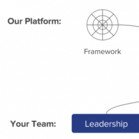
One of our core values is to “Celebrate and enjoy the journey,” and our journey so far has been nothing short of amazing! Highlights include working with hundreds of companies around the world, developing our passionate and talented team, and evolving as a product and a company. Today, we want to bring you in on the celebration by sharing the story behind our new look and some of the exciting updates to our platform. We are a culture company. Culture is a team effort, and as the image above illustrates, our platform connects leadership to employees through feedback. What’s next?
-
CULTUREIQ | MONDAY, MARCH 7, 2016
 Introducing Trend Questions: A New Way to Collect Ongoing Feedback
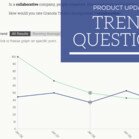
At CultureIQ our mission is to help companies strengthen their culture, and the first step in that process is to collect useful feedback. That deceptively simple task can actually prove quite challenging. In this post, we’ll explore some of those challenges, and then we’ll introduce our newest feature to address them – something we’re calling Trend Questions. The Challenges. Let’s start by exploring the challenges. 1. Sentiment can be dynamic. Surveys are great for collecting feedback at a moment in time, but if you’re hoping to see feedback trends over time, they’re not ideal. 2.
-
CULTUREIQ | FRIDAY, MARCH 4, 2016
16 Clever Ways to Show Employee Appreciation
In honor of employee appreciation day, I thought I’d bring back this list of clever ways to show employee appreciation. After After all, it’s important to recognize employees on a regular basis, regardless of a special event. Showing employees they are appreciated by their employer and office colleagues boosts morale and increases workplace effectiveness. This infographic by Work.com indicates that 69% of employees worked harder when they felt they were appreciated, and 54% of employees would quit working at a company where they didn’t feel appreciated. Pinterest Takes the Prize.
-
CULTUREIQ | THURSDAY, MARCH 3, 2016
Highlights from Deloitte’s Global Human Capital Trends 2016
This week Deloitte University Press released its annual report Global Human Capital Trends 2016 “The new organization: Different by design.”. As usual, the report is jam-packed with useful findings that affect not only human resources leaders, but all business leaders. In fact, the report’s central theme is that in order to drive positive change in our companies, we need to redesign the organization– how teams operate, how leaders operate, and overall how things get done in organizations. Culture and engagement: Both important, two separate topics. What is the difference? Deep breath.
-
CULTUREIQ | TUESDAY, MARCH 1, 2016
How to Build Leadership from Within
When looking for senior leaders in your organization, do you look internally or externally to fill those roles? While external leaders can shake things up by bringing new ideas to the table, there is great value in looking to your existing team for senior positions– that is if you’ve prepped them for the transition. With the right training and mentorship, your next CMO could come through the ranks. Room for growth is often cited as a major interest for up and coming employees, and it’s a great opportunity for leaders to capitalize on this interest. Assign additional responsibilities.
-
CULTUREIQ | TUESDAY, MARCH 1, 2016
 How to Build Leadership from Within
When looking for senior leaders in your organization, do you look internally or externally to fill those roles? While external leaders can shake things up by bringing new ideas to the table, there is great value in looking to your existing team for senior positions– that is if you’ve prepped them for the transition. With the right training and mentorship, your next CMO could come through the ranks. Room for growth is often cited as a major interest for up and coming employees, and it’s a great opportunity for leaders to capitalize on this interest. Assign additional responsibilities.
-
CULTUREIQ | FRIDAY, FEBRUARY 26, 2016
Let’s End the “Toxic Employee” Talk
People are complex—which makes for an interesting workforce. Since we do not live in a perfect world, problems and complications arise at work , potentially bringing out some undesired traits from your employees. That said, labeling employees as toxic is counterintuitive to building workplace culture. Employees can have a bad day or week at work, but should they define how leaders view their talent? Great leadership requires one to look beyond the surface to see where the heart of the issues lies. Behavior: Negative Nancy. Behavior: Slacking. Pop in and ask about their workload.
-
CULTUREIQ | FRIDAY, FEBRUARY 26, 2016
 Let’s End the “Toxic Employee” Talk
People are complex—which makes for an interesting workforce. Since we do not live in a perfect world, problems and complications arise at work , potentially bringing out some undesired traits from your employees. That said, labeling employees as toxic is counterintuitive to building workplace culture. Employees can have a bad day or week at work, but should they define how leaders view their talent? Great leadership requires one to look beyond the surface to see where the heart of the issues lies. Behavior: Negative Nancy. Behavior: Slacking. Pop in and ask about their workload.
-
CULTUREIQ | TUESDAY, FEBRUARY 23, 2016
How to Leverage the Myers-Briggs Type Indicator in Your Company
How well do you know your team? More specifically, what are their strengths or areas of opportunity? Understanding what makes your employees tick is part of being an emotionally intelligent leader. As we’ve discussed previously , EI leaders kill it at workplace culture because they make the investment in getting to know their team. But you don’t have to be a mind reader to get a sense of your employee climate. In fact, the Myers-Briggs Type Indicator is a great place to start. Know the Myers-Briggs Type Indicator basics. This is called Extraversion (E) or Introversion (I). Bottom line.
-
CULTUREIQ | TUESDAY, FEBRUARY 23, 2016
 How to Leverage the Myers-Briggs Type Indicator in Your Company
How well do you know your team? More specifically, what are their strengths or areas of opportunity? Understanding what makes your employees tick is part of being an emotionally intelligent leader. As we’ve discussed previously , EI leaders kill it at workplace culture because they make the investment in getting to know their team. But you don’t have to be a mind reader to get a sense of your employee climate. In fact, the Myers-Briggs Type Indicator is a great place to start. Know the Myers-Briggs Type Indicator basics. This is called Extraversion (E) or Introversion (I). Bottom line.
-
CULTUREIQ | MONDAY, FEBRUARY 22, 2016
 3 Things the Holiday Season Can Teach Us About Workplace Culture
The holidays are a time of cheer and wonder for many. In fact, leaders can learn a thing or two about how to apply holiday principals to ramp up their workplace. Think about it—this time of year requires people to listen, empathize, and share experiences together. The same happens in the workplace. Here are three ways leaders can apply the holiday spirit to build a strong workplace culture: The Gift of…. Listening. Around the holidays, people have to do a fair amount of listening. They have to learn what their loved ones want for gifts, who likes what dish, and the list goes on. Giving.
-
CULTUREIQ | MONDAY, FEBRUARY 22, 2016
 Manager vs. Leader: Which are you?
It’s no secret that the workplace is changing. With Gen Y poised to make up 75 percent of the workforce by 2025 , we’re seeing open office floor plans, flexible schedules, and open-ended vacation policies. Yes, the structure of the 9 to 5 has indeed evolved. What does this mean for the traditional workplace hierarchy? Well, that is changing too. As the traditional management hierarchy is dissolving, businesses are moving to more collaborative work cultures. Still, bosses that adopt a leadership role fair better with their employees. The major difference is motivation.
-
CULTUREIQ | MONDAY, FEBRUARY 22, 2016
 Year in Review: Winning Traits of the Top 3 Winners of the Glassdoor Employees’ Choice Awards
In 2015, it’s hard enough to get top talent through the doors, but retaining them—that’s a whole other challenge. Today’s top talent expects a return for their skills. It’s broader than just more money and compliments. They’re looking for the whole enchilada. Not surprisingly, Airbnb, Bain & Company, and Guidewire—the top three companies based on the employee-nominated 2016 Glassdoor’s Employees’ Choice Awards heard the call and answered. Let’s talk about the four traits these organizations brought to the table that earned them their bragging rights. Career Opportunities. Engagement ogo
-
CULTUREIQ | MONDAY, FEBRUARY 22, 2016
 In 2016, Let’s Make Work Culture Great
It’s the first work day of the new year, so together, let’s resolve to make work culture even better in 2016. Here are a few tenets to keep in mind along the way: Work smarter, not harder. These days there are many tools available to capitalize on efficiency. Talent leaders no longer have to be mind readers to learn what their employees think about the workplace. The best way to gain insight on where your employees stand is by going straight to the horse’s mouth. Survey your team to see how they feel about the current climate of the workplace and what needs attention. Support your troops.
-
CULTUREIQ | THURSDAY, FEBRUARY 18, 2016
How to Support an Employee Coping with a Loss in the Family
Coping with the loss of a loved one is terribly hard. There are so many moving parts that one has to navigate, and your job is a part of that equation. As an employer, there will be instances where an unfortunate circumstance falls on the shoulders of one of your employees. Immediate supervisors can lend a hand in helping a grieving employee through their tough time. Here are a few ways leaders can support an employee coping with a loss in the family, or really, any loved one. Be a resource. Your team member is going to need some time off. Be a leader. Be supportive.
-
CULTUREIQ | TUESDAY, FEBRUARY 16, 2016
Why Salary Negotiators Make Phenomenal Employees
In an effort to grow your team, you’ve interviewed a handful of candidates, which has brought you to a candidate that shows amazing promise. As you present the offer, instead of accepting it as is, they counter back asking for a bump in salary. At first, some managers might be caught off guard by salary negotiators in the interview process. However, However, I assure you that is a good thing, because the mere fact that the applicant countered your offer can have positive implications that they will be an asset to the team. Salary negotiators = communication aficionados. Committed to the cause.
-
CULTUREIQ | FRIDAY, FEBRUARY 12, 2016
5 Ways to Inject Surprise Into to Your Next Company Event
by Ben Hindman, CEO and co-founder of Splash. Guests come to an event with a certain set of expectations. Your job as host isn’t just to meet those expectations. Your job is to go above and beyond. One of the most effective ways of keeping your guests excited is by injecting a little surprise before, during and after your event. Here are 6 ideas for your next company event — whether that’s an internal team event for employees or an external marketing event– from Splash ’s latest book, Events 101. 01 | The road to success is through discovery. 04 | Let the entertainment begin.
-
CULTUREIQ | WEDNESDAY, FEBRUARY 10, 2016
Why Your Favorite Barista is the Perfect Example of Great Workplace Culture
It’s no secret that coffee makes the world go ‘round. Considering that approximately 54 percent of Americans over the age of 18 consume at least a cup of coffee every day, it’s safe to say that we sure do love our coffee. Java is awesome, and there is something to be said about the coffee experience itself. Most of us have a favorite spot that includes a few baristas that have become a comforting, key part of our routine. This loyalty isn’t just the mark of good tasting coffee, it is also a perfect example of a great workplace culture. It’s all in the details. Building the relationship.
-
CULTUREIQ | MONDAY, FEBRUARY 8, 2016
How Nature in the Office Makes Us More Productive—and Happier
Employers in the U.S. loose billions of dollars every year to absenteeism and loss of productivity, so doing everything they can to improve morale, health, and efficiency is a smart business move. Office workers (employers included!) spend an average of 40 hours a week, sometimes much more, in an office environment, so what their surroundings look like has a big impact on their state of mind, their development, their health, and performance. And that’s something both employees and employers can happily get behind. We are naturally drawn to nature. There are many reasons this makes sense.
-
CULTUREIQ | FRIDAY, FEBRUARY 5, 2016
Your Late Night Emails Are More Harmful Than You Think
We’ve become accustomed to convenience and immediacy. Technology allows for us to connect and communicate with virtually anyone, anywhere, and anytime within a matter of seconds. Email, for example, is a major staple in every professional’s life. Many have apps on their devices so that they’re constantly available. Some managers take advantage of this opportunity with late night emails. Problem is, as humans, we need some time to shut off our electronic devices to return to our normal states. Say hello to my little friend, anxiety. You are not alone. Too many emails can cause anxiety.
-
CULTUREIQ | WEDNESDAY, FEBRUARY 3, 2016
Why Diversity in the Workplace Promotes Innovation and Problem Solving
Black History Month is here, and at CultureIQ we feel it’s imperative to celebrate diversity. Diversity comes in all aspects of life: ethnicity, gender, socio-economic standing—the list goes on and on. Every person on your team brings a unique perspective to their role, which is why it’s critical to utilize people from different backgrounds. Engaging with people from a variety of backgrounds is not only good for the soul; it’s great for business. Here’s why leaders should champion diversity in the workplace. Diversity in the workplace generates innovation. Problem solving masterminds.
-
CULTUREIQ | FRIDAY, JANUARY 29, 2016
4 Signs Your Company Culture Is Crying for Help
Great company culture is readily identifiable. There is teamwork, innovation, and an overall sense of purpose. Best of all, companies with high morale, kill it operationally. While everyone wants to create an enviable workplace, what happens if you find that you work culture is less than stellar? Companies with low team morale harm the business in more ways than one. It can hurt your brand, efficiency, and worst of all, your profits. Check out these four signs to gauge if your workplace culture needs a makeover. Poisoning the well syndrome. Lack of trust in management. Complacent teams.
-
CULTUREIQ | TUESDAY, JANUARY 26, 2016
5 Tips for Keeping Your Remote Workers Engaged and Productive
More and more frequently, we hear the phrase “employee engagement,” especially those of us who are managers or team leaders. And studies show that this not only helps with retention but also leads to higher worker productivity. Maintaining engagement of employees is hard enough, but what if a significant portion of your workforce is global or remote? Figuring out practical solutions isn’t easy, but companies can reap big rewards if they make the effort. At Redbooth , our team includes people in California, Barcelona, and several locations all over the world. Use technology to stay in sync.
-
CULTUREIQ | MONDAY, JANUARY 25, 2016
4 Leadership Mistakes That Make Employees Run for the Doors
Being a leader is not something anyone can just ‘wing.’ As we’ve discussed previously, it takes emotional intelligence , letting go of the ego, and a willingness to continually improve on your leadership capabilities. For aspiring talent leaders, it can be difficult to gauge undesirable management traits. While you might not notice them, your team surely does. Here are four common leadership mistakes to avoid: Playing the blame game. As a leader, you are responsible for the success and shortcomings of your team. Coach on the mistakes and show your team that failure is par for the course.
-
CULTUREIQ | THURSDAY, JANUARY 21, 2016
No Social Media Recruiting Strategy? Say Goodbye to Talent
The job market is a jungle, and there is fierce competition to procure outstanding employees. In order to stay competitive, employers have to stay on top of their talent acquisition game. Social media is becoming a staple in organizations, as it provides a means to engage with their audience and customer base with relative ease. More importantly, companies are now leveraging their social channels to find new employees. Before you write off Twitter, let’s go over how social media recruiting can transform how you find your future rising stars. Wider talent pool. Big reward, minimal investment.
-
CULTUREIQ | THURSDAY, JANUARY 14, 2016
Top 3 Benefits of a Company Volunteer Program
Giving back to the community you serve is often a rewarding experience for many reasons. You make a meaningful contribution to your community, it gives you a sense of fulfillment, and it’s a great way to connect with your peers. Unfortunately, many of us are busy diving into our spreadsheets and meetings at work so there isn’t a a lot of leftover time to give back. As an employer, having a company volunteering program is not only a great for karma points; it has major positive implications on your employees, brand, and community. Here’s why companies should adopt a cause for their organization.
-
CULTUREIQ | MONDAY, JANUARY 11, 2016
Workplace Culture: It’s More Important Than You Think
When one thinks of workplace culture, thoughts of happy hours and swag-filled outings with coworkers may come to mind. That said, it only begins to skim the surface of what a great workplace culture can truly accomplish. A recent study conducted by Deloitte found that 94 percent of executives and 88 percent of employees believe a distinct workplace culture is important to business success. There’s a reason why workplace culture has so much buy in. Today we’ll talk about the crucial ways that a solid workplace culture can catapult organizations into thriving companies. Lower Turnover.
-
CULTUREIQ | WEDNESDAY, JANUARY 6, 2016
How Emotionally Intelligent Leaders Kill it at Work Culture
Have you ever wondered what makes great leaders so amazing? It often has to do with their level of emotional intelligence (EI) — which is defined as being aware that emotions can drive our behavior and impact people (positively and negatively), and learning how to manage those emotions – both our own and others – especially when we are under pressure. As they say in Remember the Titans, ‘ attitude reflects leadership.’ Here’s how emotionally intelligent leaders cultivate winning work environments. They are self-aware. Leadership requires one to understand and keep their emotions in check.
-
CULTUREIQ | MONDAY, JANUARY 4, 2016
In 2016, Let’s Make Work Culture Great
It’s the first work day of the new year, so together, let’s resolve to make work culture even better in 2016. Here are a few tenets to keep in mind along the way: Work smarter, not harder. These days there are many tools available to capitalize on efficiency. Talent leaders no longer have to be mind readers to learn what their employees think about the workplace. The best way to gain insight on where your employees stand is by going straight to the horse’s mouth. Survey your team to see how they feel about the current climate of the workplace and what needs attention.
-
CULTUREIQ | WEDNESDAY, DECEMBER 30, 2015
Year in Review: Winning Traits of the Top 3 Winners of the Glassdoor Employees’ Choice Awards
In 2015, it’s hard enough to get top talent through the doors, but retaining them—that’s a whole other challenge. Today’s top talent expects a return for their skills. It’s broader than just more money and compliments. They’re looking for the whole enchilada. Not surprisingly, Airbnb, Bain & Company, and Guidewire—the top three companies based on the employee-nominated 2016 Glassdoor’s Employees’ Choice Awards heard the call and answered. Let’s talk about the four traits these organizations brought to the table that earned them their bragging rights. Career Opportunities. Engagement
-
CULTUREIQ | MONDAY, DECEMBER 28, 2015
Manager vs. Leader: Which are you?
It’s no secret that the workplace is changing. With Gen Y poised to make up 75 percent of the workforce by 2025 , we’re seeing open office floor plans, flexible schedules, and open-ended vacation policies. Yes, the structure of the 9 to 5 has indeed evolved. What does this mean for the traditional workplace hierarchy? Well, that is changing too. As the traditional management hierarchy is dissolving, businesses are moving to more collaborative work cultures. Still, bosses that adopt a leadership role fair better with their employees. The major difference is motivation.
-
CULTUREIQ | TUESDAY, DECEMBER 22, 2015
3 Things the Holiday Season Can Teach Us About Workplace Culture
The holidays are a time of cheer and wonder for many. In fact, leaders can learn a thing or two about how to apply holiday principals to ramp up their workplace. Think about it—this time of year requires people to listen, empathize, and share experiences together. The same happens in the workplace. Here are three ways leaders can apply the holiday spirit to build a strong workplace culture: The Gift of…. Listening. Around the holidays, people have to do a fair amount of listening. They have to learn what their loved ones want for gifts, who likes what dish, and the list goes on. Giving.





Let's personalize your content